



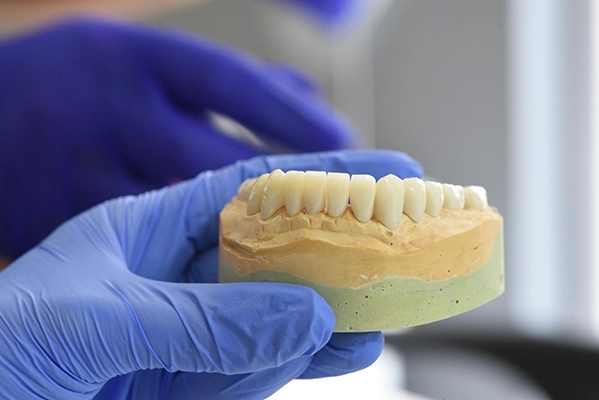
Dental implants: restoring a natural smile with a modern and lasting method
Dental implants are one of the most advanced and durable methods of replacing missing teeth. This method allows for the installation of a completely natural and durable artificial tooth by implanting a titanium base into the jawbone. Unlike removable dentures or bridges, dental implants fuse directly with the jawbone and function similarly to natural teeth.
Implants not only restore a beautiful smile and confidence, but also help maintain oral health, prevent jawbone loss, and improve chewing. Today, this method is recognized as the best and safest treatment for replacing missing teeth.
How is a dental implant done?
The implant placement process is carried out in stages and includes several main parts:
1. Initial Examination and Consultation:
At this stage, the dentist uses X-rays or CT scans to examine the condition of the jawbone, gums, and general oral health. If appropriate, the next steps are planned.
2. Implantation of a titanium post in the jaw:
In this step, a titanium post is surgically placed into the jawbone. This post will replace the natural tooth root. After implantation, it takes several months for the jawbone to fuse with the implant post (osseointegration process).
3. Installation of the abutment:
After the implant has fused with the bone, a piece called an abutment is installed on it. This piece is the connector between the implant and the final tooth crown.
4. Placing a crown or dental crown:
In the final step, an artificial tooth that is exactly the same color, shape, and size as the natural tooth is placed on the abutment. This tooth is usually made of zirconia or durable ceramic.
Who is a good candidate for implants?
People who have lost one or more teeth
Those who have sufficient jaw bone density to support the implant base
Healthy individuals without uncontrolled chronic diseases (such as advanced diabetes)
Those who have good oral hygiene
Those who do not smoke or are ready to quit
Advantages of implants over other methods
Longevity: Implants can last a lifetime if properly cared for.
High stability and strength: It acts like a natural tooth and has no slippage.
Jawbone preservation: Prevents bone loss at the site of the lost tooth
Natural beauty: It looks exactly like real teeth and creates a beautiful smile.
More convenience: Unlike dentures, it does not require removal or bonding
Necessary care after implants
Strict oral hygiene (brushing and flossing daily)
Regular visits to the dentist to check the condition of the implant
Avoiding very hard foods in the first few weeks after surgery
Quit smoking to heal faster and prevent infection.
Using mouthwash and prescribed medications as needed
Possible complications of implants
Dental implants are one of the safest procedures, but in some cases you may experience complications such as the following:
Pain, swelling, or bruising in the surgical area
Infection at the implant site
Bone loss or implant rejection if care is not taken.
Damage to the jaw nerves (in rare cases)
Frequently Asked Questions
Are implants painful?
The procedure is performed under local anesthesia and is usually painless. After surgery, you may have some pain or swelling, which can be controlled with medication.
How many days after implant surgery can you eat?
Usually, soft foods can be eaten 24 to 48 hours after surgery. Hard foods should be limited for a while.
Are implants suitable for the elderly?
Yes. Age is not a barrier to getting implants if the jawbone and general health are adequate.
How long do implants last?
If you maintain good hygiene, implants can last for decades.