


Laser skin lesions: A new method for treating and beautifying the skin
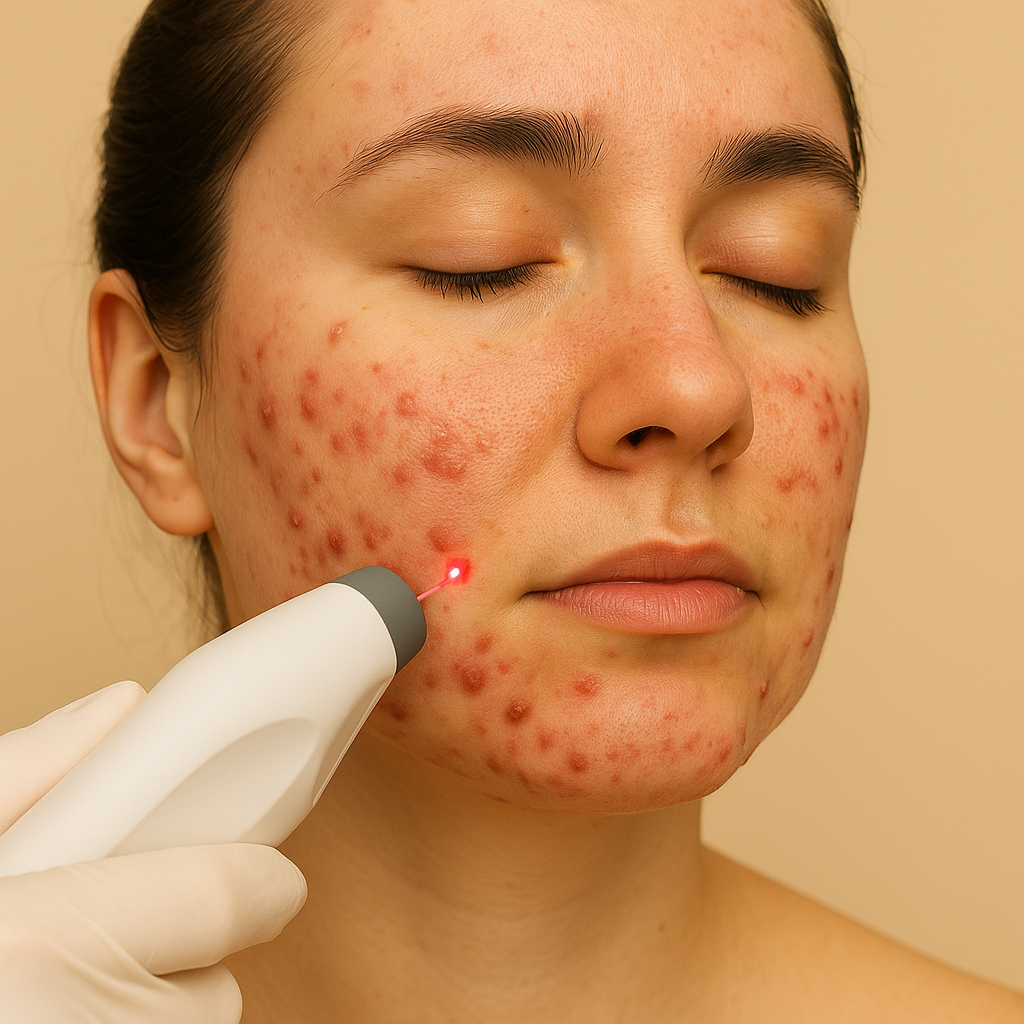
Laser skin lesions is one of the most widely used and effective treatment methods in the field of beauty and skin, which is used to remove or reduce various types of skin lesions. This method, relying on modern laser technologies, helps improve the appearance of the skin without the need for surgery, in a short period of time and with minimal side effects.
Below, you will learn about the types of skin lesions, the laser procedure, the benefits, post-treatment care, and important points before starting this procedure.
What are skin lesions?
Skin lesions are any abnormal changes in the texture or color of the skin. Some of these lesions may be congenital or develop over time due to various reasons such as sunlight, aging, hormonal changes, or skin diseases.
Common types of skin lesions treated with lasers:
Brown or sunspots (lentigo)
Freckles
Superficial moles
Vascular lesions (hemangiomas, superficial blood vessels)
Warts and genital warts
Seborrheic keratosis (rough, brown growths)
Aging skin lesions
Skin tags
Acne or pimple lesions
Pregnancy spots (melasma)
How does laser skin resurfacing work?
The laser targets the lesion by sending focused pulses of light deep into the skin, without damaging the surrounding tissue. The laser energy is absorbed by the pigment or blood structures of the lesion, causing it to disappear or dissolve.
Depending on the type of lesion, different types of lasers are used. Some of the most common devices include:
Fractional CO2 laser: Suitable for superficial lesions, warts, scars, and keratoses.
Nd:YAG laser: For vascular lesions and deeper moles.
Q-Switched laser: Specially designed to treat brown spots and pigmented moles.
Diode laser or IPL: For skin tags and improving skin tone.
Benefits of laser skin lesions
Non-invasive and without the need for surgery
Painless or with very little pain (using local anesthesia)
Short recovery time
Suitable for all skin types.
Natural and aesthetic results
No need for dressings or long-term rest
Reducing the likelihood of lesion recurrence in many cases
Pre-laser care
Avoid sun or solarium use for at least 2 weeks before treatment.
Avoid taking photosensitizing medications (such as retinoids) after consulting a doctor.
The area must be clean of any creams or makeup.
A thorough examination by a doctor to ensure that the lesion is benign.
Post-treatment care for skin lesion laser
Using a healing cream or ointment prescribed by a doctor
Avoid scratching or picking at the treated area.
Regular use of sunscreen with a high SPF
Do not use cosmetics for at least 24 hours.
Avoid excessive sweating or swimming until fully recovered.
Number of sessions required
Depending on the type of lesion, skin color, depth, and size, a single session may be sufficient or multiple sessions may be required, spaced a few weeks apart. After an examination, your doctor will determine the exact treatment plan.
Contraindications to the use of laser
Pregnancy (in special cases and at the discretion of the doctor)
Active infection in the treatment area
Taking certain medications (such as isotretinoin)
Having certain skin diseases, such as lupus or psoriasis, in the affected area
Is laser skin damage permanent?
In many cases, the results of laser treatment are permanent and the lesion will not return. However, in some conditions, such as freckles or sun spots, there is a possibility of recurrence if exposure to sunlight continues or if sunscreen is not used.
Why should we have laser treatment done in reputable clinics?
To ensure optimal results and prevent unwanted complications, laser treatment should be performed in specialized centers, under the supervision of experienced dermatologists or cosmetic surgeons. Choosing the right device, precise settings, and operator skill are key factors in the success of the treatment.
Laser services for skin lesions at Dr. Moeini Clinic
At Dr. Reza Moeini’s specialized clinic , skin lesion treatment is performed using the latest laser equipment and with a completely safe and professional approach. All steps, from examination to treatment, are designed by a team of experts, taking into account the specific conditions of each patient, to achieve the best possible results.
Conclusion
Laser skin resurfacing is a fast, effective, and minimally invasive way to improve the appearance of your skin and remove unsightly lesions. If you suffer from blemishes, warts, skin tags, or superficial moles, consulting with a specialist can be the first step to achieving smooth, healthy, and glowing skin.