



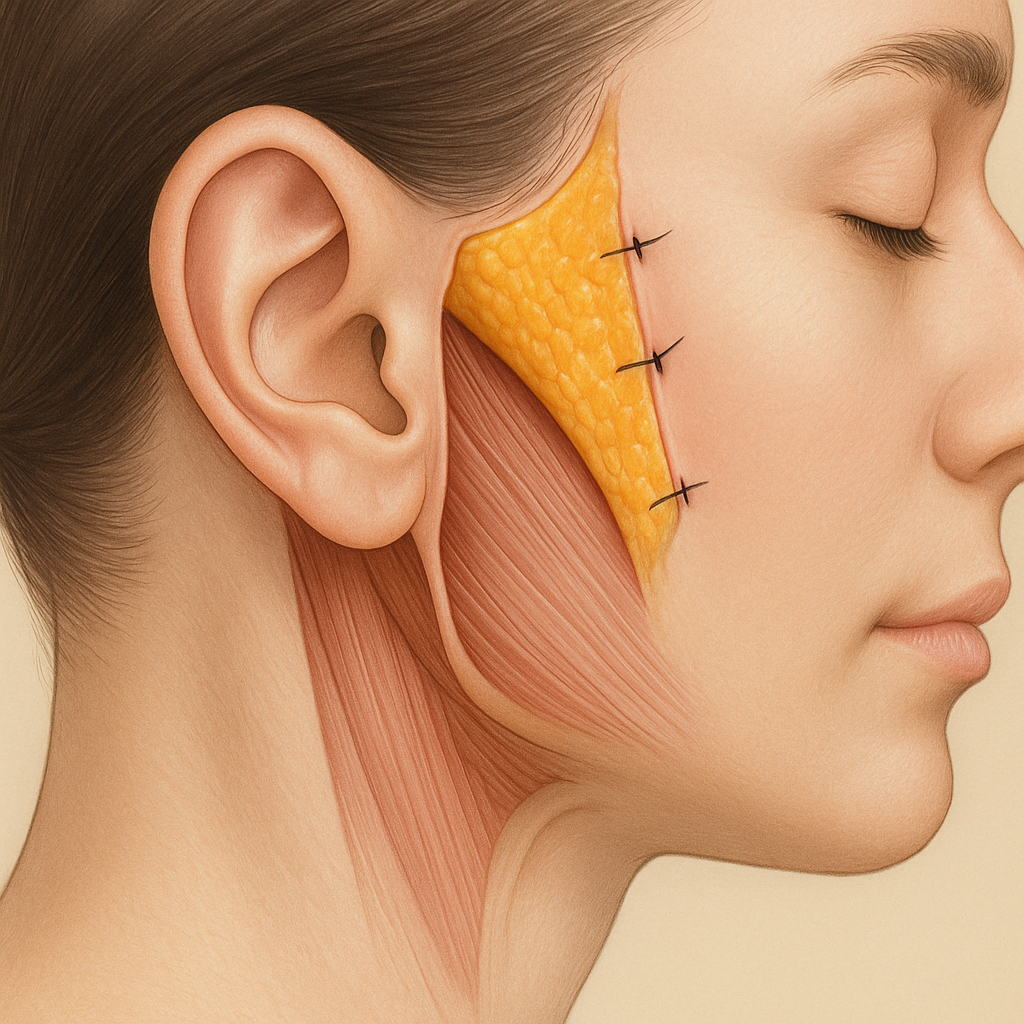
Ear cosmetic surgery (otoplasty): Correcting the shape and position of the ears in a safe and effective way
Ear surgery, also known as otoplasty, is a popular procedure to correct the shape, size, or position of the ears. It is performed on people who have protruding, oversized, or asymmetrical ears, either congenitally or as a result of an accident, and who want to harmonize their appearance with the rest of their face.
What is otoplasty?
Otoplasty is a surgical procedure to change the shape of the ears. It is usually performed to correct prominent, large, damaged, or misshapen ears. In this procedure, the surgeon reshapes or stabilizes the cartilage tissue by making incisions behind the ear or within the natural folds of the ear. The surgery is designed to hide the stitches and provide a natural, beautiful result.
Benefits of cosmetic ear surgery
Improving the proportion and harmony between the ears and other facial features
Correcting protruding or drooping ears
Restoring self-confidence in people with prominent ears
Outpatient procedure with local anesthesia or general anesthesia
Very limited and invisible scar
Permanent results without reverting to the previous state
Who are good candidates for otoplasty?
Adults or children whose ears are fully developed (usually over 5 years of age)
Those who are unhappy with the appearance of their ears
People whose ears have been deformed due to an accident or incident
Those with asymmetrical or excessively large ears
People whose earlobes have been torn due to wearing earrings
Healthy individuals who are not dependent on tobacco and who follow their doctor’s instructions properly
The process of performing otoplasty surgery
After clinical examinations and necessary imaging, the surgery is performed in a clinical setting under either local or general anesthesia. The type of anesthesia is selected depending on the patient’s age and physical condition. After making the necessary incisions, the surgeon shapes the cartilage structure of the ear and fixes it in the appropriate place. The sutures are usually absorbable or require removal and are placed in an area that is not easily visible.
Pre-surgical care
Avoid taking blood thinners such as aspirin, vitamin E, and anti-inflammatory drugs.
Avoid smoking and alcohol for at least two weeks before surgery.
Performing necessary blood tests and assessing general health status
Consult your doctor about current medications you are taking.
Care after cosmetic ear surgery
Wearing an ear-protecting headband for several days
Sleeping on your back to avoid pressure on your ears
Avoiding strenuous physical activity until fully recovered.
Keeping the suture area clean and maintaining complete hygiene
Using prescription medications to reduce pain and prevent infection
Avoid direct contact of water with the ear area for the first few days.
Visiting a doctor to check the healing process and remove stitches if necessary.
Possible complications of ear cosmetic surgery
Although this surgery is considered safe and low-risk, some minor complications may occur, including:
Temporary swelling or bruising
Creating a raised scar or excess flesh
Infection of the incision area
Stitches coming loose
Asymmetry in case of surgical inaccuracy
Choosing a specialist and expert in ear surgery can minimize the likelihood of these complications.