



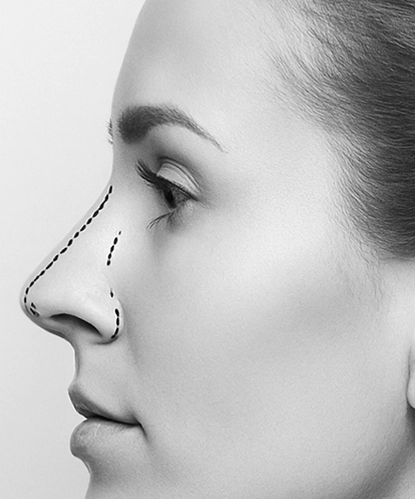
Nose surgery (rhinoplasty); combining beauty and healthy breathing
Nose surgery, scientifically known as rhinoplasty , is one of the most popular cosmetic and therapeutic procedures in the world. This surgery is performed to correct the appearance of the nose, correct structural abnormalities, or improve respiratory function. Because the nose is located in the center of the face, it plays a very important role in the proportion of facial features and appearance. For this reason, small changes in its shape can have a big impact on the overall beauty of the face.
But rhinoplasty is not just a cosmetic procedure; in many cases, the surgery is performed to improve respiratory function, treat a deviated septum, or open up the airways.
What are the goals of rhinoplasty?
Nose appearance correction: making the nose smaller or larger, correcting a hump or drooping tip, narrowing the nostrils, or making the overall structure symmetrical
Treating breathing problems: opening the airway, correcting a deviated scapula, or strengthening the internal cartilage
Injury or fracture repair: Correction of noses that have been deformed due to an accident or impact.
Repairing the results of previous surgeries: Performing reconstructive surgery in people who are not satisfied with the results of the previous operation.
What are the steps involved in rhinoplasty?
Initial consultation:
The surgeon will review the current shape of the nose, its fit with other facial features, and the patient’s expectations. 3D models or simulation software may be used.Anesthesia:
The procedure is performed under local anesthesia or general anesthesia, which is selected depending on the type of surgery and the individual’s condition.Incision and modification of the nasal structure:
Depending on the type of procedure, incisions may be made inside the nose (closed rhinoplasty) or outside the nose (open rhinoplasty). The cartilage, bone, or skin of the nose is then modified to suit the patient’s needs.Closing the incisions and dressing:
After the corrections are complete, the incisions are sutured and the nose is dressed with a splint and adhesive.
Types of nose surgery
Closed rhinoplasty: Incisions are made inside the nose; this procedure leaves no external scars and is suitable for minor corrections.
Open rhinoplasty: A small incision is made on the column between the nostrils (columella); this method is suitable for making more extensive and precise changes.
Reconstructive rhinoplasty: It is performed to correct an undesirable result of previous surgery or to improve the function of the nose.
Combined rhinoplasty: combining aesthetic and therapeutic goals in one surgery (such as shape correction + blade deviation)
Post-nasal surgery care
Rest for the first 48 hours and avoid bending or strenuous activities.
Using a cold compress to reduce swelling
Avoiding impact to the nose and sleeping on the side
Avoid wearing glasses for a few weeks.
Keeping your nose clean and taking prescribed medications
Regular visits to the doctor to remove the splint and check the healing process
Possible complications
Rhinoplasty is usually associated with satisfactory results if performed by a skilled surgeon and with proper care. However, complications such as the following may occur:
Temporary swelling and bruising around the eyes and nose
Mild bleeding
Nasal congestion in the first few weeks
Asymmetry or need for secondary surgery in rare cases
Infection or allergy to stitches or medications
Who is a good candidate for rhinoplasty?
People who are dissatisfied with the shape of their nose and have realistic expectations
Those with a deviated septum or breathing problems
People whose nose has fully developed (usually after the age of 17)
People in good general health and without uncontrolled underlying disease