
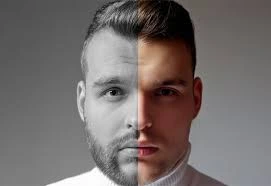
I wish beards and mustaches were one of the most popular beauty treatments for men, like hair transplants. The cosmetic procedure of beard and mustache transplants has come to the aid of people who suffer from the lack of growth of their facial beards. Since ancient times, having a beard and mustache has been one of the signs of masculinity, which is why, from a psychological point of view, beard loss can have a negative effect on the mentality of men. Also, apart from psychology, for many people, beards and mustaches on men’s faces will be one of the main factors in the attractiveness of men’s faces. However, the faces of a number of men will not be able to grow beards due to various genetic reasons, wounds, immune diseases, etc. or other reasons. As a result, by transplanting beards and mustaches, they can make their appearance more attractive and also increase their self-confidence. In this article, we will talk about the techniques and methods of beard and mustache transplantation. We will also examine the advantages and disadvantages of this cosmetic procedure.
Beard and mustache transplantation using follicular unit extraction (FUE) method
The best method for natural beard and mustache transplantation is the FUE (Follicular Unit Extraction) technique, also known as the follicular unit extraction method. This method involves harvesting hair follicles from the donor area (usually the back of the head) one by one using a small punch tool. The follicles are then transplanted into the beard and mustache area using a micro-blade or needle. The FUE method is minimally invasive and has a quick recovery period. The results obtained from this method are completely natural and long-lasting.Beard and mustache transplantation using follicular unit transplantation (FUT) method
Another method for facial hair transplantation is the follicular unit transplantation (FUT) method. In this method, a strip of skin is removed from the donor area and dissected into individual follicular units. These units are then transplanted into the beard and mustache area using a microblade or needle. The FUT method is more invasive than the FUE method and its recovery time will be slightly longer; however, it is more suitable for those with sparse or severe hair loss because it allows for the transplantation of a larger number of follicles.Beard and mustache transplantation with direct hair transplantation (DHI) method
The newest method for restoring sparse or thinning beards and mustaches is direct hair transplantation. This method involves using a specialized tool to directly transplant hair follicles into the beard and mustache area without the need for incisions or stitches. DHI is able to create natural-looking results and, because it is non-invasive, has a very short recovery period. This method is more time-consuming and expensive than the FUE and FUT methods for beard and mustache transplantation, given its high precision and greater benefits.
Steps for beard and mustache transplant
- Donor Area Selection: After consultation with a specialist and selection of the final method, the donor area, which is usually the back of the head or other parts of the body with suitable hair density, is determined for harvesting the follicles. The selection of this area will be based on the quality and density of the hair to obtain natural and lasting results.
- Follicle Harvesting: The harvesting of hair follicles from the donor area begins using advanced techniques such as follicular unit extraction (FUE). Hair follicles will be removed from the donor area one by one using precision instruments.
- Follicle preparation: The hair follicles are prepared for transplantation into the beard and mustache area. This step involves cleaning and sorting the follicles so that the dermatologist can ensure that they are healthy and of good quality.
- Implantation in the desired area: The prepared follicles are carefully implanted in the beard and mustache area using special micro-tools. The specialist transplants the follicles in the relevant area, taking into account the angle and direction of natural hair growth.
- Postoperative care: Care tips are very important for faster recovery and preventing possible complications.
Disadvantages and complications of beard and mustache transplantation
Although beard and mustache transplantation with various transplantation techniques is generally safe and low-risk, it is possible to have some complications. Some complications of beard and mustache transplantation are as follows:- Infection: One of the risks of beard and mustache transplantation is infection in the transplant area, which requires medical treatment if severe.
- Scarring: There is a risk of scarring in the donor area and the transplanted area, which usually heals over time, but may leave scars in some cases.
- Uneven hair growth: Another problem is uneven hair growth and patient dissatisfaction with the final result.
- Swelling, bruising, and discomfort: After surgery, patients may experience swelling, bruising, and discomfort in the implant area for a few days, which is part of the healing process.
Care after beard and mustache transplantation
Aftercare after a beard transplant is crucial to ensure proper healing and to achieve the best results. Things to consider after a beard or mustache transplant include:- Follow the surgeon’s instructions: Carefully follow all instructions and recommendations of the specialist surgeon, including taking medications, using topical products, and attending examination sessions.
- Keeping the implant area clean: The implant area should be kept clean and dry. Use mild soap and water to wash the implant area as directed by your surgeon.
- Avoid touching and scratching: Touching or scratching the transplanted area can damage the newly transplanted follicles and increase the risk of infection.
- Use a cold compress: To reduce swelling and bruising, use a cold compress around the graft area (not directly on the transplanted area).
- Avoid strenuous activities: Avoid strenuous physical activity and activities that cause heavy sweating for a week.
- Avoid smoking and alcohol: Avoid smoking and alcohol, as these substances slow down the healing process and cause damage to the hair follicles.
- Sun protection: Avoid direct sunlight and use a hat or sunscreen.
- Avoid shaving the transplanted hair: Avoid shaving the transplanted area for at least two weeks. Use of tools such as clippers or scissors near the transplanted area is also prohibited for at least three weeks.
- Take prescribed medications: Take the medications prescribed by your surgeon, such as antibiotics and painkillers, on time to prevent pain and infection.