



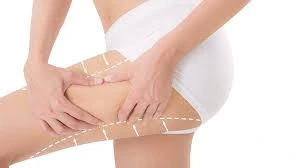
Everything about thigh suction surgery
Thigh liposuction is one of the most popular leg beauty procedures. Fat storage in the thighs is one of the concerns of women about their health and appearance, which can sometimes cause problems and disruptions in walking. Sometimes, even with exercise and diet, it is not possible to eliminate all the fatty tissue accumulated in the thighs. This is where medical science recommends liposuction to remove excess fat from the thighs. Thigh liposuction is a popular and common method for removing fat from the legs, calves, and thighs and eliminating leg cellulite.
However, it is necessary to consult a skilled specialist to ease your mind about the results of this procedure. In this article, we will review thigh liposuction. We will also examine the benefits and complications of this cosmetic surgery.
What is thigh liposuction?
Thigh liposuction is a minimally invasive cosmetic surgery procedure to remove excess fat and cellulite from the thighs, which is also used for weight loss. Genetics, environmental factors, and lifestyle are among the common causes of localized obesity. Fat accumulated in the thighs may harden and not disappear with exercise and proper nutrition. In such cases, thigh liposuction surgery can be used to remove this excess fat and achieve localized weight loss. This procedure is one of the types of leg liposuction, and the doctor may recommend during the initial examination that, along with thigh liposuction, another operation be performed on other parts of the leg.
Types of thigh liposuction
There are different types of thigh liposuction, and a cosmetic surgeon will recommend the appropriate method for removing excess fat based on your body’s needs. For example, the method for removing hardened fat in the thighs is different from cellulite treatment methods.
Types of thigh liposuction include:
- Swollen liposuction : Swollen liposuction is the most common type of this method for removing excess fat under the skin. In addition, it is also considered the oldest type of liposuction. For this reason, it has more complications compared to other methods.
- Laser liposuction : Laser liposuction is one of the newest types of liposuction that burns fat with laser beams, and fat masses are melted and eliminated due to the laser beams.
- Ultrasound liposuction : Ultrasound liposuction is a type of liposuction that melts fat tissue with sound waves.
Applications and reasons for thigh liposuction
Liposuction is one of the most popular methods for removing subcutaneous fat. The accumulation of excess fat mass and tissue in the leg and thigh area reduces self-confidence in people to the point that many try to hide their legs. Wearing pants or skirts with fat thighs not only reduces the beauty of the legs, but also causes problems for the person.
Thigh liposuction is a cosmetic surgery procedure that removes excess fat tissue, giving the person a more shapely thighs. When a healthy lifestyle, diet, and exercise have not had an effect on removing excess fat from the legs and thighs, the safe and effective thigh liposuction procedure effectively removes excess fat accumulated in these areas.
In fact, this method is an efficient and effective technique for removing excess fat and restoring the appearance and shape of the thighs and legs. The results of the procedure are immediately visible and there is a short recovery period.
Who is thigh liposuction surgery suitable for?
People who are not satisfied with the appearance of their legs and thighs and are bothered by the accumulation of fatty tissue in the thighs can be candidates for this surgery. People who have excess and sagging skin on the thighs are also candidates for thigh liposuction. In this method, the fat on the inner and outer thighs is removed. People who have realistic expectations of the results of the surgery and do not have any general health problems or illnesses can get the appropriate results from the surgery.
Who is thigh liposuction not suitable for?
Liposuction is a minimally invasive and effective cosmetic surgery procedure, but it can be risky for some people. People with the following conditions should not have thigh liposuction:
- People who are overweight
- People who smoke (tobacco).
- People with underlying illnesses.
- People under 20 years old
- People who take nonsteroidal anti-inflammatory drugs and aspirin.
- People with immune system deficiencies, cardiac arrhythmias, seizure disorders
- People who can lose fat with diet and light exercise.
You can also read ( All about beard and mustache transplantation ).
Benefits of thigh liposuction
This method is a cosmetic slimming surgery that is performed on the superficial layers of the skin. Therefore, it is considered a non-invasive method. Another advantage of this method is that it is permanent, meaning that after the thighs are suctioned, no more fat cells grow. Laser liposuction of the thighs and legs has fewer complications and is more durable than other methods. Other advantages of thigh liposuction include the following:
- Less fat is stored in liposuctioned areas if you gain weight.
- Improving and beautifying the shape and appearance of the legs
- Seeing the results of the procedure immediately after the first session
How to perform thigh liposuction
To perform this procedure, the cosmetic surgeon uses local anesthesia. Next, the specialist marks the areas of the thigh where the fat is accumulated and 40 minutes after the anesthesia takes effect, he makes miniature and small incisions in the same marked areas. The excess fat is sucked out by suction. Don’t worry about the stitches either, because in liposuction of the legs and thighs, the incisions are usually made around the groin or in the folds of the buttocks so that they do not remain after the surgery.

Preparation before thigh liposuction
To minimize the complications of thigh liposuction, you should prepare for the procedure in advance. Preparation measures for this procedure include:
- Performing necessary medical tests
- Choosing a skilled and experienced surgeon and consulting with him about the results and details of the operation
- Stop taking narcotics two weeks before surgery.
- Stop smoking and drinking alcoholic beverages one week before the operation.
- Stop taking aspirin and painkillers one week before thigh liposuction.
- Bathing the night before thigh and leg suction
- Discontinuing anti-inflammatory and herbal medications to prevent increased bleeding during surgery and during the recovery period
- Be sure to go with someone on the day of the operation.
Postoperative care for thigh liposuction
To ensure better results and a shorter and less painful recovery period, it is best to take post-operative care seriously:
- Avoiding strenuous activities until fully recovered.
- A diet rich in vitamins, proteins, and minerals
- Stop consuming salt for two weeks after liposuction of the legs and thighs to reduce swelling.
- Avoid taking blood thinners, smoking, and alcoholic beverages for two weeks after thigh liposuction.
- Short, regular daily walks, in consultation with a doctor
- Wearing a thigh liposuction gown to heal wounds
- Keeping your body hydrated by drinking enough water throughout the day
Possible complications of thigh liposuction
This method, like any cosmetic procedure, has complications and risks. However, the main causes of complications from thigh liposuction are usually outdated medical devices and equipment, insufficient doctor experience, and inadequate facilities at the clinic where the procedure is performed.
We recommend that you visit a reputable doctor and clinic to minimize the complications of this procedure. Before undergoing the procedure, be sure to discuss the risks and complications with your cosmetic surgeon. Some of the complications of thigh liposuction include:
- Incidence of infection
- Bleeding
- Complications from anesthesia or numbness
- Sensitivity to lidocaine
- Damage to nerves, blood vessels, muscles, and other organs
- Fluid accumulation and formation of fluid pockets under the skin
- Nervous shock caused by not receiving enough fluids during surgery