



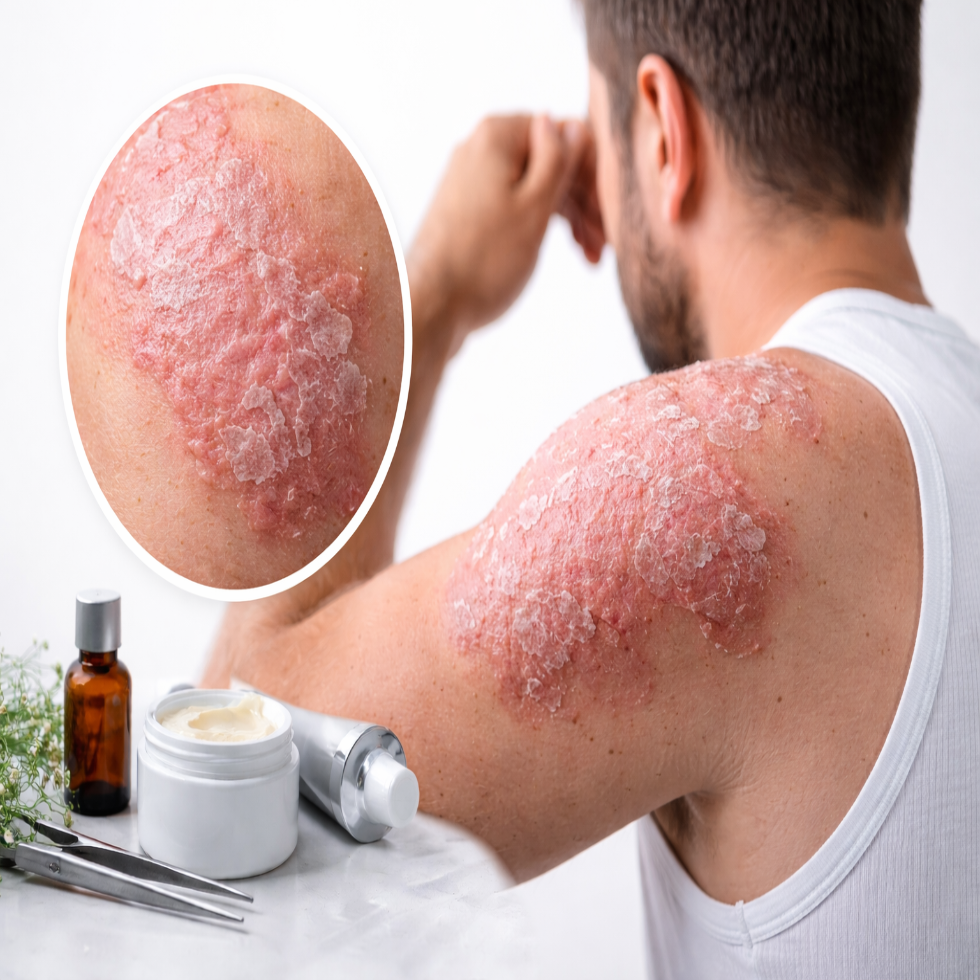
Psoriasis is one of the most common chronic skin diseases that can have a significant impact on the quality of life of patients. Although this disease is not contagious, it causes physical and psychological discomfort due to the appearance of skin lesions, itching, peeling and in some cases pain. A detailed knowledge of psoriasis, its causes and methods of control and treatment plays an important role in the proper management of this disease.
In this article, we will comprehensively examine what psoriasis is, why it occurs, what its symptoms are, and how it can be controlled .
What is psoriasis?
Psoriasis is a chronic inflammatory skin disease caused by a malfunction of the immune system. In this disease, the cycle of skin cell production is abnormally accelerated. Normally, skin cells are made and replaced every 28 to 30 days, but in people with psoriasis, this process may occur in just a few days.
This accelerated growth causes immature cells to accumulate on the skin’s surface, creating thick, red lesions covered with white or silvery scales. Psoriasis usually has periods of flare-ups and remissions and is considered a lifelong condition that requires ongoing management.
Is psoriasis contagious?
One of the most common misconceptions about psoriasis is that it is contagious. Psoriasis is not contagious and is not spread through skin-to-skin contact, sharing personal items, or being around an infected person. It is caused entirely by internal factors and immune system reactions.
Providing correct information in this field plays an important role in reducing stress and social pressures on patients.
Signs and symptoms of psoriasis
Psoriasis symptoms can vary depending on the type of disease, the severity of the involvement, the patient’s age, and their physical and mental condition. Some people experience only mild and limited symptoms, while in others, psoriasis is widespread and severe, affecting daily life. These symptoms usually appear periodically and may worsen for a while and then subside.
The most common symptom of psoriasis is the development of inflamed skin plaques . These plaques are often red and covered with thick white or silvery scales. The thickness of these scales is caused by the rapid accumulation of skin cells and is one of the main characteristics of psoriasis.
Changes in skin appearance
In psoriasis, the skin in the affected areas usually takes on an abnormal, inflamed appearance. These changes may include:
-
Red, raised spots with a clear border
-
Severe peeling, sometimes in large pieces
-
Excessive dryness of the skin and a feeling of tightness
-
Cracked skin, which in severe cases may be accompanied by bleeding
These lesions are most common on certain areas of the body, including the elbows, knees, scalp, lower back, palms of the hands, and soles of the feet. However, psoriasis can affect any part of the body.
Itching, burning, and pain
Itching is one of the most bothersome symptoms of psoriasis, and its severity ranges from mild to very severe. In some patients, persistent itching can cause sleep disturbance, irritability, and decreased concentration. In addition to itching, some people experience a burning sensation, pain, or tenderness in the affected areas, especially when the skin is cracked or severely inflamed.
Scratching the lesions can worsen inflammation, bleeding, and even secondary skin infection, which is why controlling itching is so important in managing psoriasis.
Scalp involvement in psoriasis
Scalp psoriasis is a common form of the condition. In this condition, thick, white or gray scales develop on the scalp, which can be mistaken for dandruff. The main difference is that in scalp psoriasis, the inflammation and redness are more pronounced, and the scales are thicker and stickier.
Scalp involvement can spread to the forehead, behind the ears, and neck, and can be visually disturbing to the patient.
Symptoms of nail psoriasis
Psoriasis can also affect the fingernails and toenails. Nail changes in psoriasis include:
-
Small indentations on the surface of the nail
-
Nail discoloration to yellow or brown
-
Thickening of the nail
-
Separation of the nail from the bed (onycholysis)
-
Brittleness and deformity of nails
Nail involvement usually indicates a more chronic form of the disease and may be associated with psoriatic arthritis.
Joint symptoms (psoriatic arthritis)
In some patients, psoriasis is not limited to the skin and can also affect the joints. This condition, called psoriatic arthritis , can cause pain, swelling, stiffness, and limited movement in the joints. The joints in the fingers and toes, knees, and spine are most commonly affected.
Early diagnosis of this condition is important, as it can lead to permanent joint damage if left untreated.
Fluctuating symptoms and periods of relapse and remission
One of the important features of psoriasis is the fluctuating nature of its symptoms . Many patients experience periods when symptoms subside or almost disappear, and then return with greater severity. Factors such as stress, infection, changes in weather, or abrupt discontinuation of treatment can trigger a relapse.
To see patients before and after treatment for skin diseases, visit Dr. Reza Moeini’s Instagram page.
Types of psoriasis
Psoriasis occurs in various forms, understanding which helps in choosing the appropriate treatment method.
Plaque psoriasis
It is the most common type of psoriasis and is characterized by red, raised, scaly plaques. These lesions are usually found on the elbows, knees, scalp, and lower back.
Guttate psoriasis
This type is most common in children and adolescents and often develops after throat infections. Its lesions appear as small, teardrop-shaped spots on the skin.
Inverse psoriasis
It occurs in skin folds such as the armpits, groin, and under the breasts and usually has less scaling, but the inflammation is obvious.
Pustular psoriasis
It is a rare but severe form of psoriasis that is accompanied by pus-filled blisters and requires immediate medical attention.
Erythrodermic psoriasis
It is considered the most severe and rarest type of psoriasis, which can affect a large area of the body’s skin and be life-threatening.
What causes psoriasis?
The exact cause of psoriasis is not yet fully understood, but it is known that a combination of genetic factors and immune system disorders play a role in its occurrence.
In people with psoriasis, the immune system mistakenly targets healthy skin cells, causing inflammation and rapid skin cell production. If there is a family history of psoriasis, the risk of developing the disease increases.
Psoriasis aggravating factors
Certain factors can trigger or worsen psoriasis symptoms, including:
-
Mental and emotional stress
-
Infections, especially throat infections
-
Skin injuries such as cuts, burns, or scrapes
-
Taking certain medications
-
Hormonal changes
-
Smoking and alcohol consumption
-
Cold and dry weather
Identifying and controlling these factors plays an important role in disease management.
How is psoriasis diagnosed?
Psoriasis is usually diagnosed by a dermatologist based on a clinical examination. The appearance of the skin lesions is sufficient for diagnosis in most cases. In suspicious or unusual cases, a skin sample (biopsy) may be taken to confirm the diagnosis.
Correct diagnosis is important because some skin conditions may look similar to psoriasis but have different treatments.
How is psoriasis controlled?
Although there is no definitive cure for psoriasis , with appropriate treatment methods, the disease can be well controlled, symptoms can be reduced, and longer remission periods can be achieved.
Topical treatments
For mild to moderate cases, topical treatments are the first choice. These treatments include creams and ointments that reduce inflammation, scaling, and itching.
Systemic treatments
In severe or resistant psoriasis, oral or injectable medications that affect the immune system are used. These treatments should be performed under the supervision of a specialist.
Light therapy
Phototherapy is an effective treatment for psoriasis that uses controlled ultraviolet light to slow down the growth of skin cells.
The role of lifestyle in controlling psoriasis
Lifestyle changes play an important role in reducing the severity of psoriasis symptoms. Following these steps can help you better control the disease:
-
Stress reduction and stress management
-
Getting enough and regular sleep
-
Avoid smoking and alcohol.
-
Regular use of moisturizers
-
Avoid excessive skin dryness.
Nutrition and psoriasis
Although no specific diet is known to be a definitive cure for psoriasis, some dietary changes can help reduce inflammation. Eating healthy foods, fruits, vegetables, and reducing your intake of processed foods can be helpful.
Maintaining a healthy weight is also important, as being overweight can increase the severity of psoriasis.
Psoriasis and mental health
Psoriasis is not just a skin disease and can have a profound impact on the patient’s mental health. Anxiety, depression, and low self-esteem are common in affected patients. Psychological support, awareness from those around them, and, if needed, specialized counseling can play an important role in improving the quality of life of these individuals.
When should you see a doctor?
If you notice suspicious skin lesions, worsening symptoms, failure to respond to previous treatments, or joint pain, it is essential to see a dermatologist. Early diagnosis and treatment can prevent the progression of the disease and its complications.
Conclusion
Psoriasis is a chronic, non-contagious, immune-mediated disease that can affect the skin and sometimes the joints. Although there is no definitive cure for it, with proper diagnosis, appropriate treatment, and lifestyle modifications, the disease can be well controlled and the patient’s quality of life can be improved.
Controlling psoriasis requires ongoing collaboration between the patient and dermatologist. Awareness, adherence to treatment, and avoidance of aggravating factors are key to successful management of this disease.