


Hair Mesotherapy and Everything You Need to Know About It
Alopecia is one of the main beauty problems that affects both men and women. 90 percent of alopecia is androgenic, meaning it is caused by genetic and hormonal factors. Since this problem affects many people and causes them to lose their self-confidence, various methods have been developed to prevent hair loss, including medications, lasers, hair transplants, topical solutions, shampoos, nutritional supplements, and hair mesotherapy.
What is hair mesotherapy?
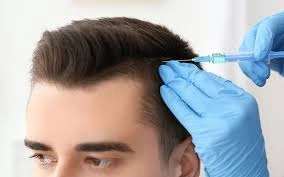
Hair mesotherapy is a treatment that involves injecting vitamins, minerals, and a mixture of amino acids into the scalp. This injection creates a physical stimulation in the scalp that increases microcirculation in the scalp, allowing more nutrients to reach the hair follicles.
Mesotherapy allows the ingredients that nourish the hair follicles to be easily absorbed into the hair. This method can thicken thin hair, stop hair loss, and make hair stronger and shinier. The process also increases hair density and boosts scalp moisture.
Types of hair mesotherapy
There are no different types of hair mesotherapy and all specialist doctors use the same technique to perform this treatment. The only difference is that specialist doctors use different mesotherapy drugs.
Applications of hair mesotherapy
Mesotherapy is a practical hair treatment with long-lasting and excellent effects that can treat hair and baldness-related problems and restore your beauty. Generally, this treatment is used for the following purposes:
1. Treating hair loss with mesotherapy
When hair loss starts, if it is not stopped, it may lead to complete baldness. Therefore, treatments such as mesotherapy should be used to initially stop the hair loss process and then to stimulate hair regrowth. Hair mesotherapy provides all the nutrients that hair needs to grow so that there is no longer any obstacle to hair growth. You can try the meso hair method to treat severe hair loss in women and also to treat hair loss in young men.
Sometimes, mesotherapy or beard transplantation is performed to stimulate beard and mustache hair growth in men, and the hair follicles in this area are stimulated.
2. Mesotherapy after hair transplantation
Sometimes when you have a hair transplant, your doctor will recommend that you undergo mesotherapy a few months after the hair transplant to improve the results. This treatment, when combined with hair transplantation, provides incredible results. That is why many doctors recommend mesotherapy after hair transplantation. Eyebrow mesotherapy is also recommended after eyebrow transplantation.

You can also read ( chin filler injection ).
Who is hair mesotherapy suitable for?
Mesotherapy is suitable for almost all people and is extremely effective.
The following groups of people usually receive favorable results from this treatment:
- People whose hair loss is caused by stress and psychological pressure.
- People who suffer from telogen effluvium (temporary hair loss after stress, accident, or shock). (This type of hair loss is sometimes seen after pregnancy.)
- People whose hair shafts are not as strong as they used to be and are brittle and damaged can also undergo hair mesotherapy. This treatment increases the number of hairs, strengthens the hair shafts, and helps them have healthier follicles.
- Those who suffer from alopecia areata (area baldness or coin-shaped baldness that occurs for various reasons and, as the name suggests, in which part of the hair on the head falls out in the shape of a coin), if this type of baldness is not severe, can be well controlled with hair mesotherapy.
- People who feel that their hair growth is slow and are not satisfied with the speed of their hair growth can benefit from hair mesotherapy.
Who is mesotherapy not suitable for?
Hair mesotherapy is not suitable for some people and may not have the desired and significant effects in these people. If you have the following conditions, it is better not to go for mesotherapy to treat your hair loss and try other treatments:
- People who are currently undergoing treatments such as chemotherapy should not undergo hair mesotherapy until their treatment is complete. After this treatment is complete, your specialist will inform you if your condition is suitable for hair mesotherapy.
- If you have diseases such as AIDS, hepatitis, diabetes, heart, liver, and kidney problems.
- If you are pregnant or breastfeeding.
- If your hair loss is caused by diseases such as syphilis.
- If you have an infection or skin lesion at the injection site.
- If you are taking anticoagulant medications. If you are allergic to any of the ingredients used in mesotherapy materials.
Benefits of hair mesotherapy
Hair mesotherapy is not only effective for people with hair loss; it is also useful for people who do not have hair loss but want to enhance the health and growth of their hair. Although this process has many advantages; some of the main benefits of hair mesotherapy include:
- Improves scalp health and immunity: Hair mesotherapy not only revitalizes hair follicles, but also helps rejuvenate the scalp. Creating holes using injections allows new blood vessels to form and improves the health of the area. This condition makes your hair longer, shinier, and thicker.
- Fast Results: Although hair mesotherapy treatment requires multiple sessions, its effects are visible within a few days to a few weeks after the treatment is completed.
- Reduces scalp inflammation: Hair mesotherapy can control micro-inflammations in the scalp; so if you have dandruff or itchy scalp, mesotherapy can treat all these disorders and make your scalp healthier.
- Treatment of many hair problems: In addition to treating hair loss, mesotherapy is also suitable for many hair problems such as dandruff, dry scalp, and low hair volume.
Preparing for hair mesotherapy
Although no special preparation steps are required for hair mesotherapy, it is best to consider the following points:
- Do not take blood thinners such as warfarin or aspirin for at least three days before you receive hair mesotherapy.
- Be sure to take a shower before you go for mesotherapy treatment, because you will not be able to shower for a few days after mesotherapy.
- It is best not to have gel, oil, or hair products on your hair during treatment.
Post-treatment care for hair mesotherapy
Some of the aftercare you should pay attention to after hair mesotherapy include:
- Avoid exposure to sunlight for a while (about 2 to 3 days).
- Do not wash your hair with shampoo or conditioner. You should tolerate dirty hair for at least 3-4 days. Water and shampoo can negatively affect the result of mesotherapy and delay the healing process.
- At the end of hair mesotherapy, small scars from the injections will remain on the scalp, which will take some time to heal. It is best to avoid touching these scars.
- Do not use a sauna or swimming pool for at least 7 days.
- Do not drink alcohol. Alcohol stimulates vasodilation, which negatively affects the effectiveness of mesotherapy.
- Avoid swimming. You should not shower for the first 10 hours after mesotherapy. The areas where the injections were made should be dried thoroughly.
- Do not massage the areas of your head where the injection was given until you have fully recovered.
Side effects and risks of hair mesotherapy
The side effects of hair mesotherapy are very few. If you have hair mesotherapy performed by a qualified and experienced doctor, you are not at risk of any side effects. In fact, since mesotherapy is a non-invasive treatment, most people can return to their normal activities immediately after the procedure. However, some discomfort or pain is normal after the procedure, which can be controlled with painkillers.
If you are allergic to any of the ingredients used in hair mesotherapy, you may experience some itching. However, in some cases, there is also a possibility of redness, bruising, swelling of the treated area, skin scarring , and infection.