



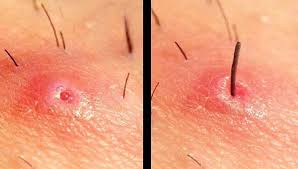
What is a hair cyst?
Hairy skin cysts are a benign skin condition characterized by the sudden appearance of small, monomorphic, follicular, asymptomatic papules in children and adults. Diagnosis is based on histopathological findings of stratified squamous epithelium with a single granular layer surrounding a cystic space filled with multilayered keratin and a variable number of velvety hair cysts.
Hair cysts can be associated with multiple steatocytoma. Hair cysts originate from a cystic change at the site of the pilosebaceous duct. They are primarily treated for cosmetic reasons with retinoids, surgery, and lasers. But what is the definition of ingrown hair? In simpler terms, it can be said that it is a hair that grows into the skin and does not come out, usually after a person has shaved, waxed, or plucked the hair.
Coarse or curly hair is more likely to grow inward, and it can happen to any type of hair. The area with the ingrown hair may have small red bumps that are usually itchy and can be visually seen. Eventually, if left untreated, the ingrown hair will turn into a cyst, which is a sac of fluid under the skin. It is best to know that most hair cysts are seen in the pubic area, which is shaved more than other parts of the body.
A pilonidal cyst appears as a lump under the skin. The head will not be visible and may be red, white, or yellow. The cyst may also be painful or tender to the touch.
What are the symptoms of a pilonidal cyst?
Depending on the type of cyst, signs and symptoms vary greatly. In many cases, a person first notices an abnormal lump, especially when the cyst is just under the skin. Many internal cysts, such as those that develop in the kidneys or liver, may not cause any symptoms and go unnoticed until an imaging scan, such as an MRI, CT scan, or ultrasound scan, identifies them. If a cyst develops in the brain, it can cause headaches and other symptoms. The cyst can also cause pain.
See a doctor immediately if you experience any of the following symptoms:
- An abscess is a foul-smelling fluid that drains pus or blood.
- Feeling nauseous, feverish, and extremely tired
- A feeling of pain that often gets worse when sitting
- A small dimple or large swollen area between the buttocks
Causes of hair cysts
If a hair gets stuck under the skin before it leaves the follicle, it becomes an ingrown hair. Cysts can appear for a variety of reasons, but they are most problematic when they originate from hairs under the skin. All hair grows from a hair follicle, called a pore. A pore is a small opening in the skin, with a complex underlying structure that nourishes the hair. Sometimes, a hair gets stuck under the skin before it leaves the follicle, causing the hair to grow in as an ingrown hair. Other times, a hair comes out of the follicle, but curls back up and re-enters the skin. When a hair gets stuck under the skin, it can irritate the skin. It can also block the hair follicle, trapping various substances in the pore. In these cases, a cyst can form.
Skin cysts often contain keratin, a protein that keeps skin strong and flexible. But sometimes, cysts are caused by trapped bacteria or an inflammatory response to an infection.
Factors that increase the incidence of pilonidal cysts.
Each hair grows in a follicle under the skin. When people wax or shave, they only remove the hair strand, not the follicle, so when the hair grows back, it can get trapped inside the skin, growing more inward rather than outward, creating a little bump. Sometimes skin cells and a fibrous substance called keratin, a protein found in hair and nails, collect inside the lump. Over time, this buildup forms a cyst.
Anyone can get a pilonidal cyst, but people with the following characteristics are at higher risk:
- Overweight people
- Men (men are three to four times more likely to develop pilonidal cysts than women)
- People between puberty and 40 years of age (average age is between 20 and 35 years)
- Working people, people who sit all day (such as truck drivers and office workers)
- Experiencing impact or irritation in the area
- People who wear tight clothing (this can worsen the skin condition)
- Having poor health habits and an unhealthy lifestyle
- Family history, people with thick or coarse body hair (this can run in your family).
- Having a lot of hair around the buttocks
Complications of having a hair cyst
If this condition is left untreated or if the treatment process is delayed, it may lead to a number of dangerous side effects that are sometimes considered serious and life-threatening. It also increases the risk of developing a type of skin cancer called squamous cell carcinoma.
How to diagnose a hair cyst
When you see your doctor with symptoms of pilonidal sinus, your doctor will perform a thorough physical examination. You will need to provide your medical history, including information about any discharge or changes in the appearance of the affected area. Your doctor will perform a visual examination to check for tenderness, redness, swelling, and inflammation around the affected area. Your doctor may also order blood tests to check for an increase in white blood cells, which may be a sign of infection. In rare cases, your doctor may recommend a CT scan to confirm your condition. Your doctor may also perform tests to rule out other conditions, such as: Dermoid cysts (germ cell tumors) that can resemble pilonidal cysts.
When should we see a doctor?
If you have the following conditions, you should see the best specialist as soon as possible and explain your medical history, so that the necessary examinations can be performed and the treatment process can begin. So if:
- You have a high fever or are otherwise feeling unwell.
- The area around the ingrown hair is very painful, hot, red, or swollen.
How to treat a hair cyst
If people do not have any signs or symptoms of a pilonidal sinus infection, they may not need treatment. Otherwise, upon diagnosis and the discretion of a specialist physician, a treatment process will begin, including the following:
Medical treatments
Medical treatment options for pilonidal cysts include:
1. Perform hair removal surgery
In minor cases, if there is no infection, hair removal may be the first step in treating pilonidal sinus.
Hair removal options may include:
- Laser
- Waxing
- Shaving Creams
- Shave
2. Draining the abscess
If people have a confirmed source of an abscess, a specialist should drain it. Patients can usually have this procedure done in their doctor’s office. The specialist will inject a local anesthetic before making an incision in the abscess. This allows the pus to drain and reduces inflammation. Reducing the abscess can help make the pilonidal sinus more visible and easier to treat. A few weeks after the abscess is drained, people may have a procedure called a sloughing procedure. People will have a local anesthetic and the doctor will cut into the cavity or sinus.
3. Drug treatment of pilonidal cyst
Antibiotics may help reduce infection and treat severe skin inflammation. People may have antibiotics to treat smaller abscesses or in addition to other treatments.
4. Pilonidal cyst surgery
Surgery is the safest way to treat and remove a pilonidal sinus, but it can be associated with possible complications, such as poor wound healing. People will have general anesthesia and the surgeon will either cut or open the sinus. Removing the sinus completely by cutting it out may lead to a better long-term outcome, but the recovery period may be longer. Surgeons may use traditional scalpel surgery or endoscopic surgery to open the sinus. The specialist surgeon will open the abscess and sinus and trim the edges of the skin. The specialist surgeon may also remove any inflamed tissue around the area, then the surgeon will use healthy tissue to close the area. This procedure may have a higher risk of infection, but it may be necessary in some cases. It is important to note that this type of procedure can take about 30 minutes, depending on the surgical procedure.
People can discuss surgical options with their doctor to find out what is the best choice for them and the possible risks and side effects.
5. Pilonidal cystectomy surgery
Pilonidal cysts develop near the crease between the buttocks, known as the intergluteal cleft. A dormant or overgrown hair follicle, along with debris such as dead skin cells and dirt, becomes trapped in a pocket, causing the cyst to form. The ingrown hair often continues to grow under the skin and irritates the cyst, leading to infection. A pilonidal abscess or boil develops and fills with foul-smelling pus. For most patients, the abscess ruptures through the skin and drains the pus. Pilonidal cystectomy is often needed to remove the infection. Pilonidal cystectomy is a minor surgical procedure that is usually planned and performed by a colorectal surgeon on an outpatient basis. General or regional anesthesia may be used to manage pain during the removal of a pilonidal cyst or infected abscess.
It is important to note that: Pilonidal cystectomy is a generally safe procedure. Your doctor will discuss the benefits and risks with you before surgery.
Possible risks include:
- Long recovery time
- Recurrent pilonidal cysts
- Bleeding
- Infection

You can also read ( Temple filler injections and its tips ).
Home remedies for pilonidal cysts
- Avoid shaving the area around the cyst, as this can introduce bacteria and cause infection.
- Always keep the cyst and the area around it clean.
- Sometimes, an ingrown hair is visible above the skin before it curls under. In this case, removing it may speed up healing. People can use clean tweezers to grab the hair and remove it.
- If the hair is completely under the skin or requires digging into the skin to remove it, this should not be attempted. Instead, the person should leave the hair alone.
- Apply warm compresses to the cyst for 10 to 15 minutes several times a day. This may bring the cyst closer to the surface and allow it to drain. If the hair is stuck under the skin, the warm compresses may help it grow out.
- Apply an antiseptic solution, such as tea tree oil, to the cyst to prevent infection. Triple antibiotic ointments may also help and are available for purchase.
- Avoid popping or popping cysts. Cysts are formed from a sac under the skin that can fill with a thick, yellow substance called keratin. Popping the cyst may release the fluid, but it won’t get rid of the sac and the cyst may grow back. Popping a cyst can also introduce bacteria into the skin, causing an infection or making the cyst worse.
Postoperative care for pilonidal sinus surgery
Your surgeon will usually recommend that the wound be kept clean and that any hair growing near it be shaved or removed by other methods. Some surgeons recommend that even as the wound heals, you should maintain the area where the hair grows by shaving every few weeks or using other methods to remove the hair. This will reduce the chance of recurrence.
Prevention of hair cysts
Even after successfully removing a pilonidal cyst with surgery, you can still develop other cysts. You can take steps to minimize the chance of painful recurrences. For example, if you are obese and have a sedentary lifestyle, dietary changes and regular exercise can help reduce pressure on your buttocks.
Since hair plays a major role in the development of pilonidal cysts, you may want to trim any excess hair around your buttocks that may be finding its way through the skin. Laser hair removal offers another option for controlling this risk factor. Of course, don’t forget that bacteria can make the difference between a painless, harmless pilonidal cyst and a painful pilonidal abscess. Try to keep that area of your body as clean as possible. Watch for early signs of infection so you can seek immediate treatment before the problem gets worse.
For people who prefer to remove their unwanted hair using the traditional method, the following tips can reduce the risk of ingrown hairs and be beneficial for them.
- First, wet the skin with warm water.
- Always use shaving gel or foam.
- Use as few razors as possible.
- Wash the razor after each use.
- Don’t shave too close together.
- Never use a used razor.
- Shave in the direction of hair growth.
- After shaving, hold a cool, damp cloth over your skin.
- Use an exfoliating body scrub to remove ingrown hairs.