



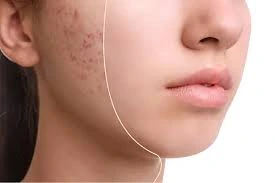
Acne Scars and Effective Treatment Solutions
Acne scars are one of the most common concerns affecting individuals from both cosmetic and health perspectives. This condition not only impacts self-confidence but can also lead to more significant emotional and psychological challenges. Despite continuous advances in dermatology and aesthetic medicine, there is still no single treatment capable of completely eliminating acne scars in every case.
In this article, we will discuss the causes and types of acne scars, as well as the available treatment options, including medical therapies, skin treatments, and surgical procedures. We will also explore preventive measures and skincare practices that can help reduce the risk of scar formation and prevent existing scars from worsening.
Causes of Acne Scars
Infected Acne Lesions
When acne becomes infected and severely inflamed, the likelihood of scar formation increases significantly.
External Skin Damage
Scratches, cuts, and other forms of skin trauma can contribute to the development of scars.
Genetic Predisposition
Some individuals are genetically more prone to developing acne scars than others.
Improper Acne Treatment
Incorrect use of acne products or picking and squeezing pimples can worsen inflammation and increase the risk of scarring.
Overweight and Obesity
Individuals who are overweight may be more susceptible to acne and the subsequent formation of acne scars.
Complications of Acne Scars
Unwanted Appearance and Reduced Self-Confidence
Acne scars can negatively affect facial appearance and overall aesthetics, potentially leading to embarrassment and reduced self-esteem.
Discomfort and Pain
Certain types of scars may cause itching, discomfort, or even pain.
Restricted Movement
When scars develop in sensitive areas, such as near joints, they may limit mobility and flexibility.
Increased Risk of Infection
Scar tissue can sometimes provide an environment where bacteria thrive, increasing the risk of secondary infections.
Skin Discoloration
Scars may cause localized changes in skin pigmentation, resulting in lighter or darker patches of skin.
Emotional Distress
The presence of visible scars can lead to anxiety, frustration, and emotional discomfort.
Treatment Options for Acne Scars
Medical Treatments
Healthcare professionals may use various methods to improve the appearance of scars, including:
- Corticosteroid injections
- Laser therapy
- Surgical scar revision procedures
These treatments can help reduce scar size and improve skin texture.
Skincare and Topical Care
Proper skincare can significantly improve the appearance of acne scars. Recommended measures include:
- Using moisturizers and sunscreen regularly
- Gently massaging the scarred area
- Avoiding skin irritation and excessive friction
Home Remedies
Some home-based treatments may help reduce the appearance of scars, such as:
- Vitamin E products
- Green tea oil
- Soothing and hydrating face masks
Overall, acne scars are a common but manageable condition. With appropriate medical treatment and proper skincare, their appearance can often be significantly improved.
Preventive Strategies to Avoid Acne Scar Formation
Treat Acne Early
Prompt treatment of acne breakouts and skin inflammation can significantly reduce the risk of scarring.
Use Appropriate Skincare Products
Gentle, non-irritating skincare products, including moisturizers and anti-inflammatory creams, can help control acne and minimize scar formation.
Avoid Touching or Picking Pimples
Refraining from squeezing, scratching, or picking at acne lesions helps prevent worsening inflammation and tissue damage.
Protect the Skin
Using sunscreen and wearing protective clothing can help shield the skin from damage that may worsen scars or pigmentation changes.
Seek Professional Treatment for Severe Acne
Individuals with moderate to severe acne should consult a dermatologist. Professional treatments can help prevent permanent scarring.
Maintain Good Skin Hygiene
Proper cleansing and skincare routines help reduce acne breakouts and lower the likelihood of scar formation.
Manage Stress Levels
Reducing stress may improve overall skin health and help decrease the severity of acne outbreaks.
By following these preventive measures, individuals can significantly reduce their risk of developing unwanted acne scars.
Conclusion
Timely and appropriate acne treatment is one of the most effective ways to prevent acne scars. Early intervention helps control inflammation and minimizes damage to the skin. Using gentle skincare products and moisturizers can improve acne symptoms and lower the risk of scar formation.
Avoiding the temptation to touch, squeeze, or scratch pimples is equally important, as it prevents additional inflammation and skin injury. Protective measures such as sunscreen and proper skin care help preserve skin health, while professional dermatological treatments are often essential for managing severe acne and preventing permanent scars.
Maintaining good skin hygiene and reducing stress are additional strategies that can support healthier skin and decrease the likelihood of acne scarring. By adopting these preventive and treatment approaches, individuals can effectively protect the appearance and health of their skin.
In this article, we explored the causes and effects of acne scars, as well as the available prevention and treatment options. Thank you for taking the time to read this article and for staying with us until the end.