


What is buccal fat and what are its uses?
Buccal fat is a fatty tissue located in the cheeks. It is one of the two main fat pads in the face, the other being the accumulative fat pad. The main function of the buccal fat pad is to fill and shape the cheeks. It also helps to protect the teeth and protect the underlying bone.
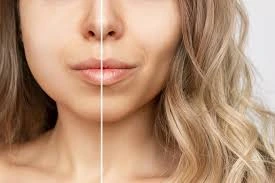
The amount of buccal fat varies from person to person. Some people have more fat than others, which can give their cheeks a fuller appearance. Others have less fat, which can give their cheeks a sunken appearance. The amount of buccal fat also changes with age. As people age, the fat pads become smaller. This can lead to reduced facial volume and a thinner appearance. Buccal fat removal is a surgical procedure that removes part or all of the cheek fat pad. This procedure is usually performed to improve facial shape, reduce the appearance of chubby cheeks, and create a more defined jawline.
Why people might choose buccal fat
- To improve self-confidence: Buccal fat can improve self-confidence by giving people the desired facial shape. This can lead to increased self-esteem and a more positive outlook on life.
- To improve facial shape: Buccal fat can help improve facial shape by reducing fullness in the cheeks. This can create a more defined jawline and cheeks, which can give the face a more youthful appearance.
- To define the jawline: Buccal fat can help define the jawline by removing some excess fat in the cheeks. This can create a more angular and defined jawline that can give the face a masculine or feminine look.
- To reduce the appearance of chubby cheeks: Buccal fat can help reduce the appearance of chubby cheeks by removing some of the excess fat from the cheeks. This can make the face appear slimmer and more angular.
Buccal fat (subcheek fat removal)
Buccal fat is a round lump of fat in the middle of your cheeks. It is located between the facial muscles, in the hollow area under your cheekbones. Everyone has buccal fat. However, the size of buccal fat can vary greatly. If you have more cheek fat, you may feel like your face is too round or full. If you want to make them smaller, a plastic surgeon may recommend a buccal fat removal. This surgery is done to reduce the width of round faces.
Who can have buccal fat?
You may be a good candidate for buccal fat if you have any of the following:
- If you are looking for facial angulation surgery.
- If you are unhappy with the fullness of your cheeks.
- If you have a rounder, fuller face.

You can also read ( Hair Mesotherapy and Everything You Need to Know About It ).
Who is the Buccal Fat method not suitable for?
Buccal fat is not recommended for the following people:
If your face is naturally thin, surgery may cause your cheeks to sink in as you age.
If you are older, it may not be suitable for you because:
As you age, you naturally lose fat from your face. This method is possible.
Be sure to follow these tips before the procedure.
Talk to your surgeon about the following:
- Expectations and goals
- Medical conditions before and after surgery
- Current medications, including vitamins and supplements
- Alcohol, tobacco, and drug use
- Drug allergies
- Past surgeries and…
You may need to stop taking certain medications or have blood tests before the test.
What happens during the buccal fat procedure?
- Local anesthesia is given to the face. You will not feel any pain, but you will be awake during the procedure.
- If you have had more than one surgery, you may be given general anesthesia.
- Your surgeon will make an incision on the inside of your cheek. These incisions are used to push more fat out of your cheek.
- It cuts and eliminates fats.
- The wound is closed with stitches (usually absorbable).
What happens after buccal fat surgery?
- Before you go home, you will be given a special mouthwash to prevent infection.
- You will need to drink fluids for several days. Then you can gradually start eating softer foods.
- After surgery, your face will be swollen and you may experience bruising.
- Full recovery usually takes about 3 weeks.
- During your recovery, follow your healthcare provider’s instructions for self-care.
Possible complications of buccal fat surgery
Buccal fat is generally considered safe. However, as with all procedures, there is a risk of unwanted side effects. Possible complications include:
- Excessive bleeding
- Infection
- Adverse reaction to anesthesia
- Hematoma (bruise)
- Salivary gland damage
- Facial nerve damage
- Removing excess fat
- Facial asymmetry
If you experience any of the following after surgery, see a specialist:
- Shortness of breath
- Chest pain
- Abnormal heartbeat
- Excessive bleeding
- Severe pain
- Symptoms of infection