



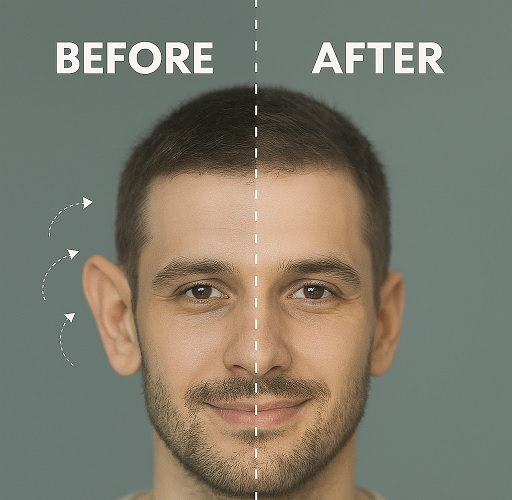
The impact of otoplasty on facial beauty and self-confidence
Otoplasty is a delicate and effective facial aesthetic surgery that aims to correct the shape, size, or position of the ears. Although the ears may seem like a minor part of the body at first glance, their role in facial proportions and self-confidence is much more significant than is commonly believed. In this article, we will examine the scientific, psychological, and aesthetic aspects of otoplasty and its impact on facial beauty and self-confidence.
What is otoplasty?
Otoplasty is a type of cosmetic and reconstructive ear surgery that is performed to correct the shape, size, or position of the ears. Its most common use is to treat prominent or protruding ears that cause facial disproportion and reduce a person’s self-confidence. This surgery is usually performed on an outpatient basis under local anesthesia and has a short recovery period.
Otoplasty can be both cosmetic (to improve facial harmony) and therapeutic (in cases such as congenital defects or ear injuries). Common techniques include an incision behind the ear, reshaping the cartilage, and internal stitches to secure the new shape.
This surgery is suitable for children over 5 years of age, adolescents and adults who are unhappy with the appearance of their ears. The results are usually permanent, natural and satisfactory. Otoplasty not only corrects the appearance of the ears, but also has a significant impact on self-confidence, social relationships and self-image.
The main goals of otoplasty
Otoplasty surgery is performed to improve the appearance of the ears, but its goals go beyond mere aesthetics. It can have significant psychological, social, and functional implications. The main goals of otoplasty are:
- Reducing the prominence of the ears
In many people, the ears are too far from the head and appear protruding. Otoplasty creates a more natural appearance by bringing the ears closer to the head.
- Creating symmetry between the two ears
Asymmetrical ears can cause visual imbalance in the face. This surgery increases facial symmetry by correcting the shape and position of the ears.
- Correction of congenital or acquired abnormalities
Some people have birth defects such as microtia (small or absent ears) or deformities caused by trauma, burns, or previous surgeries. Otoplasty can make it possible to reconstruct the ear.
- Improving overall facial proportions
Ears play an important role in the harmony of facial features. Correcting the shape of the ears increases visual appeal and balance of the face.
- Increased self-confidence and psychological well-being
The appearance of the ears can have a direct impact on a person’s self-image. Correcting them often leads to increased self-confidence, reduced social anxiety, and improved quality of life.
The effect of prominent ears on a person’s psyche
Prominent or asymmetrical ears can have significant psychological effects on a person, especially during childhood and adolescence. Children with prominent ears may be teased at school or feel embarrassed and isolated. This can lead to low self-esteem, social anxiety, and even depression.
Results of psychological studies:
Children who have undergone otoplasty have shown higher self-confidence after surgery.
Adults who have been unhappy with the appearance of their ears for years have felt more satisfied and relaxed after surgery.
In many cases, otoplasty has led to improvements in a person’s social and professional relationships.
The role of otoplasty in facial beauty
Although ears are located on the edge of the face, they play an important role in the overall proportions of the face. Overly prominent or asymmetrical ears can distract attention from other facial features and affect the overall appearance.
Aesthetic effects of otoplasty
Otoplasty surgery not only corrects the ears, but also plays an important role in improving the overall proportions of the face. Although the ears are located on the periphery of the face, they directly affect the visual balance of the face, the shape of the head, and even the way other parts of the face appear.
1. Increase facial symmetry
Asymmetrical or prominent ears can cause an imbalance in a person’s appearance. Otoplasty improves the symmetry of the two sides of the face by correcting the shape and position of the ears, making the face more balanced.
2. Reduce visual focus on the ears
In people with prominent ears, the viewer’s gaze is subconsciously drawn to the ears. By correcting this feature, visual focus returns to the eyes, lips, and other central features of the face.
3. Better coordination with hairstyle and jewelry
After otoplasty, people can more easily choose short or behind-the-ear hairstyles and wear earrings or ear accessories without worrying about the shape of the ears being visible.
4. Improve the proportion of the ears with other facial features
Ears that are too large or prominent can affect the proportions of the jaw, cheeks, and neck. Correcting them will help to create better harmony between the facial features.
5. Increasing facial attractiveness in photos and social interactions
People who are unhappy with the appearance of their ears often have a closed or angular facial expression in photographs. After otoplasty, confidence in appearing in front of the camera or in social interactions increases.
Who are good candidates for otoplasty?
Otoplasty can be performed on different people with different conditions, but certain characteristics make a person a good candidate for this surgery:
Suitable conditions:
- Prominent, asymmetrical, or very large ears
- Good general health
- No active skin diseases in the ear area
- Realistic expectations of the outcome of surgery
Suitable age:
- Children over 5 years old (when ear development is almost complete)
- Teenagers and adults who are unhappy with the appearance of their ears
Surgical process and recovery
Otoplasty is usually performed on an outpatient basis under local anesthesia. The surgery takes between 1 and 2 hours and the patient is discharged the same day.
Surgical steps:
- Surgeon designs new ear shape
- Making an incision behind the ear
- Removal or reshaping of cartilage
- Sutures and dressings of the surgical area
To see real examples of otoplasty results and learn more about the surgical process, you can visit Dr. Reza Moeini’s Instagram page.
Postoperative care:
- Using a special headband to stabilize the ear shape
- Avoid sleeping on your ears.
- Taking anti-inflammatory drugs and antibiotics
- Avoiding strenuous exercise for a few weeks
Patient experience after otoplasty
Many patients report significant changes in their behavior, emotions, and social relationships after undergoing otoplasty. Feelings of satisfaction with their new appearance, increased self-confidence, and reduced social anxiety are common results of this surgery.
Global statistics and results
According to the American Society of Plastic Surgeons (ASPS), otoplasty is one of the top five most common cosmetic surgeries performed on children and adolescents. Patient satisfaction rates with this surgery are reported to be over 90%.
Statistical notes:
- Average age for otoplasty: 7 to 35 years
- Surgical success rate: more than 95%
- Percentage of return to daily activities: 3 to 5 days after surgery
Comparison with non-surgical methods of ear shape correction
In infants, some ear shaping devices, such as EarWell or Otostick, are used to correct the shape of the ear without surgery. However, these methods are only effective in the first few months of life, and for older children or adults, otoplasty is the only effective option.
The future of otoplasty with new technologies
New advances in plastic surgery promise less invasive and more precise procedures. The use of 3D printing to design cartilage, laser technology to reduce scarring, and surgical robots are among the innovations that will revolutionize the future of otoplasty.
Otoplasty Cost and Factors Affecting It
The cost of this surgery varies depending on the country, clinic, surgeon’s experience, and the type of corrections needed.
Factors affecting cost:
- Surgical complexity
- Need for bilateral or unilateral correction
- Equipment and technologies used
- Postoperative services and follow-up sessions
Conclusion
Otoplasty is not just a cosmetic procedure; it is a powerful tool to restore self-confidence, improve quality of life, and increase a person’s satisfaction with their appearance. Ears that were once a source of embarrassment and anxiety can become a symbol of beauty, harmony, and peace after being corrected.
If you or a loved one is unhappy with the appearance of your ears, consulting with an experienced ear surgeon, Dr. Reza Moeini, can be the first step towards positive change.
If you are interested in specialized and interesting content in the field of beauty and health, we suggest you visit Azargah magazine and benefit from its diverse articles.