


Cheek filler injections and their important points
What is cheek filler?
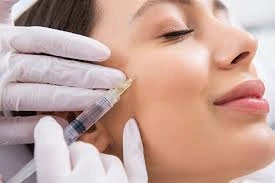
Cheek fillers are a cosmetic procedure that gives your cheeks a fuller appearance. In this procedure, a doctor injects a safe substance called dermal filler around and above your cheekbones.
Cheek filler injections usually take less than half an hour. Depending on the type of filler used, results can last a year or more. Like other cosmetic procedures, cheek filler injections carry risks, including bleeding and bruising.
Why are cheek fillers used?
Cheek filler injections are usually performed for the following reasons:
- Increasing the volume of species
- Filling wrinkles
- Highlighting the cheeks
- Smooth lines
- Getting younger
Types of cheek fillers
Different types of dermal fillers can improve the appearance of your cheekbones. How cheek fillers work depends on the type of filler your doctor uses:
Poly-L-lactic acid (PLLA):
It’s a synthetic material that helps your body make its own collagen. Doctors typically use PLLA to treat deep wrinkles on your cheeks. Results from PLLA fillers typically last two years or more.
Calcium Hydroxyapatite (CaHA):
It’s a natural substance found in your bones. Doctors use CaHA injections to plump up cheekbones and smooth out deeper lines and wrinkles. Results from CaHA fillers typically last about 15 months.
Hyaluronic acid (HA):
This is the most common filler available. It is a natural substance found in your skin. As your skin ages, it loses HA levels, resulting in wrinkles and volume loss. Your doctor will use HA injections to add volume and keep your skin hydrated. Results from HA fillers usually last about a year.
Who is eligible to receive cheek fillers?
- A bleeding disorder such as hemophilia or thalassemia.
- Some infections, such as tooth abscesses, ear, nose, or throat infections.
- Tuberculosis
- You should not get cheek fillers if you are pregnant or breastfeeding:
- Some autoimmune conditions
- Some skin diseases

You can also read ( Jaw angle filler injection and its tips ).
What happens before cheek filler surgery?
Questions that the specialist will ask about your medical history during the consultation session before cheek filler injection and you must answer them:
- Other cosmetic procedures: Previous fillers and injections can affect the amount and type of cheek filler your doctor uses.
- Vaccinations: You may have swelling with some vaccinations.
- Allergies: If you have certain allergies, you may need to avoid cheek fillers.
- Smoking: You may recover more slowly if you smoke.
- Medications and supplements: Nonsteroidal anti-inflammatory drugs (NSAIDs), blood thinners (anticoagulants), and some supplements can increase the risk of bleeding and bruising.
- Autoimmune conditions: Cheek fillers may cause complications if you have certain autoimmune diseases, including dermatomyositis, lupus, and rheumatoid arthritis.
- Digestive diseases: Rarely, cases of mass swelling may occur in people with Crohn’s disease or ulcerative colitis.
- Skin conditions: If you have certain skin conditions or have very sensitive skin, you may need to avoid cheek fillers.
- Transplant: If you have had a bone marrow transplant or an organ transplant, you may have an increased risk of infection.
Your specialist will discuss possible side effects and recovery time with you. They may mark your face to show where they will give the injections. They may also take pictures of your face to record the before and after results.
What happens during a cheek filler procedure?
During a cheek filler procedure, your doctor will clean your skin. Then, they may use a lotion, cream, spray, or ice pack to numb it. Some fillers already have a numbing agent.
Your doctor will use a thin needle to inject small amounts of filler under your skin. They may inject the filler into several areas of your cheek. You may feel a slight pinch or sting, but the cheek filler procedure is usually not painful.
The cheek filler procedure usually takes 15 to 30 minutes.
What happens after cheek filler surgery?
Your specialist may apply an ice pack to the injection sites immediately after your cheek filler procedure. For a few days after your cheek filler injection, you may experience:
- Bruise
- Pain and discomfort
- Inflation
With most types of cheek filler, you will usually see some results immediately after the procedure. But it often takes several days, and sometimes several months, to see full results. PLLA results can last up to two to three weeks.
What are the benefits of cheek fillers?
Compared to more invasive cosmetic surgeries, the benefits of cheek fillers include:
- Lower cost
- Low risk of complications
- Immediate or almost immediate results
- Fast procedure and recovery with little or no downtime afterwards
- Results are not permanent, so changes are possible.
What are the risks or side effects of cheek fillers?
Cheek fillers are a low-risk procedure, but complications may include:
- Nodules
- Bruise
- Bleeding
- Redness
- Swelling and tenderness
These side effects are usually temporary and go away within a week or two.
What is the recovery time after using cheek fillers?
Any bruising or swelling from cheek filler should go away within a few days. To improve recovery time and results, your provider may recommend the following for a few days:
- Avoid touching the injection areas.
- Sleep on your back to avoid disrupting the cheek filler.
- Avoid smoking as much as possible.
- Avoid applying makeup or lotion for several hours.
- Stay out of the sun.
When should I see a doctor after cheek filler injection?
You should contact your doctor if you experience the following:
- Signs of infection, such as fever or chills
- If you have symptoms of an allergic reaction or anaphylaxis, such as shortness of breath (dyspnea).
- Bruising, redness, or swelling that lasts more than a week
- Asymmetrical appearance that lasts more than a week