



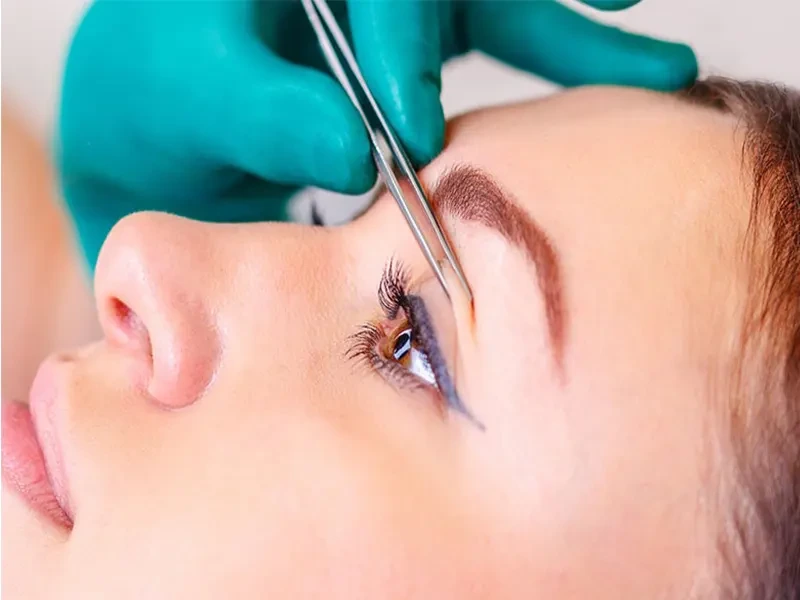
Blepharoplasty: Enhancing Eye Appearance and Facial Rejuvenation
Today, facial appearance and rejuvenation have become increasingly important for many individuals. One of the most popular and widely performed procedures for improving the appearance of the eyes and achieving a more youthful facial appearance is blepharoplasty.
Blepharoplasty is a cosmetic surgical procedure designed to improve the appearance and rejuvenate the area around the eyes. This surgery is commonly performed to correct under-eye bags, drooping eyelids, and wrinkles around the eyes. In recent years, blepharoplasty has gained significant popularity among individuals of various age groups, particularly middle-aged and older adults.
By undergoing this procedure, patients can achieve a younger, more refreshed appearance, which often leads to increased self-confidence and overall satisfaction with their appearance. In this article, we will discuss the blepharoplasty procedure, its benefits, potential risks, and important considerations.
The Blepharoplasty Procedure
1. Initial Evaluation and Consultation
During the consultation phase, the surgeon evaluates the condition of the skin and muscles surrounding the eyes, assesses the degree of eyelid drooping, and discusses the patient’s goals and expectations for the procedure.
2. Preoperative Preparation
After the initial assessment and any necessary medical examinations and laboratory tests, patients may be instructed to discontinue medications that affect blood clotting. Certain medications and supplements may also need to be temporarily restricted before surgery.
3. Surgical Procedure
The operation is typically performed under local anesthesia with sedation or general anesthesia. The surgeon creates carefully placed incisions along the eyelids, removes or repositions excess fat and skin, and then closes the incisions using fine sutures, often placed beneath the skin to minimize visible scarring.
4. Postoperative Care
Postoperative care generally includes:
Rest and the application of cold compresses to reduce swelling and bruising.
Taking prescribed pain relievers and anti-inflammatory medications.
Proper cleansing of the incision sites and wound care.
Limiting strenuous daily activities for several days following surgery.
5. Follow-Up Appointments
After discharge, patients should attend scheduled follow-up visits to monitor healing progress and remove sutures when necessary. Final results typically become visible within two to three months after surgery.
The exact treatment process may vary depending on the patient’s condition, and close communication with the surgeon throughout the process is essential.
Benefits of Blepharoplasty
1. Improved Eye Appearance
Blepharoplasty can:
Eliminate under-eye bags and puffiness.
Reduce hollowing around the eyes.
Correct drooping eyelids.
Minimize wrinkles and fine lines around the eyes.
Create a more youthful and refreshed appearance.
2. Increased Self-Confidence
Having brighter, younger-looking eyes can significantly improve self-confidence and overall facial aesthetics, helping patients feel more comfortable with their appearance.
3. Improved Vision
In some cases, severely drooping upper eyelids can obstruct vision. Blepharoplasty can remove excess tissue and improve the visual field.
4. Reduction of Age-Related Changes
Aging naturally causes skin laxity and wrinkling around the eyelids. Blepharoplasty helps address these concerns and restores a more youthful appearance.
5. Enhanced Eye Health
For certain patients, eyelid drooping can contribute to eye discomfort or functional issues. Corrective surgery may help improve these conditions.
Disadvantages and Potential Risks of Blepharoplasty
1. Surgical Complications
As with any surgical procedure, potential complications may include:
Bleeding
Swelling and bruising
Infection
Allergic reactions to medications
2. Unsatisfactory Results
In some cases, surgical outcomes may not fully meet patient expectations and may result in overly wide eyes, asymmetry, or aesthetic concerns requiring revision.
3. Scarring and Delayed Healing
Some individuals may experience slower wound healing or develop noticeable scars, although modern surgical techniques are designed to minimize scarring.
4. Dry Eyes
Temporary dryness and irritation of the eyes may occur following surgery and often require the use of lubricating eye drops during recovery.
Overall, like any surgical procedure, blepharoplasty carries certain risks and potential complications. Patients should consult with an experienced plastic surgeon before deciding to undergo the procedure.
Important Facts About Blepharoplasty
1. Outpatient Procedure
Blepharoplasty is typically performed as an outpatient procedure, allowing patients to return home on the same day.
2. Recovery Time
Full recovery usually takes approximately two to three weeks, although mild swelling may persist for a longer period.
3. Temporary Side Effects
Common temporary side effects include:
Bruising
Swelling
Dry eyes
These symptoms generally improve gradually during the healing process.
4. Long-Lasting Results
The results of blepharoplasty are generally long-lasting. However, the natural aging process may eventually lead to some degree of recurrent eyelid sagging over time.
Conclusion
Blepharoplasty is one of the most commonly performed cosmetic eye surgeries and can significantly improve the appearance of the eyelids and surrounding eye area. By removing excess skin and fat from the eyelids, this procedure helps rejuvenate and enhance the overall appearance of the eyes.
Research has shown that, in addition to cosmetic improvements, blepharoplasty can boost self-confidence and enhance patients’ quality of life. Furthermore, for individuals whose vision is affected by drooping eyelids, the procedure may provide important functional benefits.
However, as with any surgical treatment, blepharoplasty carries certain risks, including inflammation, infection, bleeding, and other potential complications. Therefore, selecting a qualified surgeon and carefully following all preoperative and postoperative instructions are essential for achieving optimal results.
Overall, blepharoplasty is considered a safe and effective procedure for improving both the appearance and function of the eyelids, helping patients achieve greater confidence and a better quality of life.
In this article, we reviewed the blepharoplasty procedure, its benefits, potential risks, and important considerations. Thank you for taking the time to read this article and for staying with us until the end.