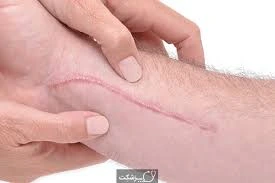
Wound Scars and Treatment Options
Wound scars are among the most common and significant health concerns that develop after a wound has healed. This natural phenomenon, which occurs as part of the body’s response to tissue injury, can create various challenges for many individuals. Wound scars can not only cause cosmetic concerns but may also lead to restricted movement and, in some cases, psychological distress.
A proper understanding of the scar formation process and the available management and treatment options can significantly improve patients’ quality of life. In this article, we will first examine what wound scars are and how they develop, followed by an overview of effective prevention and treatment methods that can help patients achieve better outcomes.
What Is a Wound Scar?
A wound scar is a natural part of the body’s healing process that occurs in response to tissue damage. During this process, new connective tissue replaces the damaged tissue. Scar tissue typically appears as dense, fibrous tissue that differs in both structure and appearance from normal skin.
Stages of Wound Scar Formation
1. Wound Formation and Skin Injury
Acute wounds caused by cuts, burns, and traumatic injuries, as well as chronic wounds such as pressure ulcers, skin punctures, and diabetic ulcers, can all result in scar formation.
2. Inflammatory Phase
Following tissue injury, the immune system initiates the inflammatory response. Inflammatory cells, including neutrophils and macrophages, migrate to the injured area. The primary purpose of this stage is to remove damaged tissue and prepare the wound for healing.
3. Proliferative Phase
Fibroblasts migrate to the injury site and begin producing collagen to rebuild the damaged tissue. New blood vessels form to restore circulation to the affected area. During this phase, scar tissue begins to develop.
4. Scar Remodeling and Maturation
Over time, the scar tissue gradually matures, and its physical and visual characteristics change. The scar often becomes lighter in color, typically turning pale or white, while its flexibility and strength improve.
Overall, wound scarring is a natural consequence of tissue repair in which scar tissue replaces the original damaged tissue. Understanding this process helps patients and healthcare providers better manage and treat scars.
You may also read: (Suture Scars and Treatment Options)
Preventing Wound Scar Formation
1. Primary Prevention
2. Secondary Prevention
Providing appropriate care and protection for newly formed wounds.
Using suitable wound dressings.
Protecting the injured area from further trauma and irritation.
3. Promoting Optimal Wound Healing
Applying topical medications such as corticosteroids when appropriate.
Utilizing physical therapies, including massage and therapeutic exercises, to support healthy healing.
Treatment of Wound Scars
1. Topical Treatments
Healing and Moisturizing Balms
These products contain nourishing and restorative ingredients that help soften scar tissue, reduce irregularities, and improve the overall appearance of scars.
Silicone Ointments and Gels
Silicone-based products can help reduce scar thickness, minimize redness, and improve the texture and appearance of scars.
Microneedling Therapy
Microneedling stimulates the body’s natural tissue repair mechanisms through the use of fine needles, helping to improve scar appearance and skin texture.
Specialized Scar Dressings
These dressings create a protective and moist healing environment that supports scar remodeling and improves cosmetic outcomes.
2. Invasive Treatments
Corticosteroid Injections: Used to reduce inflammation and decrease the thickness of raised scars.
Scar Revision Surgery: Performed to remove or reconstruct large, irregular, or functionally limiting scars.
3. Non-Invasive Treatments
Laser Therapy: Helps soften scar tissue, reduce thickness, and improve skin texture.
Physical Therapy Techniques: Including massage and stretching exercises to enhance flexibility and reduce scar-related tightness.
Appropriate prevention and treatment strategies can significantly reduce scar-related complications while improving both the appearance and function of the skin. Treatment selection should always be tailored to the individual characteristics and needs of each patient.
Conclusion
Scars develop as part of the natural healing process following skin injuries and wounds. However, they can affect both appearance and physical function, making effective scar management an important aspect of patient care.
A variety of topical treatment options are available to reduce the visibility and irregularity of scars. These include healing and moisturizing balms, silicone-based products, laser treatments, microneedling, and specialized scar dressings.
Such treatments can help soften scar tissue, reduce thickness, and improve overall appearance. In some cases, surgical intervention may also be necessary to achieve optimal cosmetic and functional results.
In this article, we explored the nature of wound scars, the stages of scar formation, and the available methods for prevention and treatment. Thank you for taking the time to read this article and for staying with us until the end.
In today’s era, facial appearance and beauty have become more important than ever. Many people are looking for ways to improve and change their appearance to be closer to today’s beauty standards. Among these, the use of lip fillers has become one of the most popular aesthetic procedures.
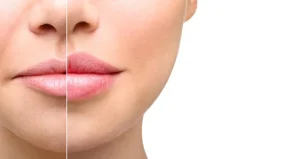
Lip fillers are fillers that are injected into the lips to make them appear larger and fuller. In addition to beautifying the lips, this method can also be effective in removing wrinkles around the mouth. Given the increasing popularity of this cosmetic procedure, it is important to examine its various aspects.
In this article, we will examine the types of lip fillers, how this cosmetic procedure is performed, its advantages and disadvantages, as well as important points before and after treatment.
What is lip filler?
Lip fillers are fillers that are injected into the lips to make them appear larger and fuller. These fillers are usually made of hyaluronic acid or other soft, gel-like substances that are safely and permanently injected into the lips. In addition to beautifying the lips, this procedure can also be effective in removing wrinkles around the mouth.
Types of lip fillers
Lip fillers come in many different types, each with their own unique characteristics. Some of the common fillers include:
1. Hyaluronic Acid: This type of filler is the most commonly used and produces more natural results 2. Collagen: Collagen is another popular lip filler that is more durable than hyaluronic acid 3. Polyacrylamide: This filler is more durable than other types but may also have more side effects.
You can also read ( Hifu Therapy and Skin Health )
Benefits of using lip fillers
1. Increasing visual appeal: Filler injections can increase the volume, plumpness, and shape of the lips, giving them a more attractive appearance, which also increases self-confidence.
2. Improving facial proportions: By changing the shape and volume of the lips, the overall proportions of the face are also improved and it becomes more attractive.
3. Increased self-confidence: Having beautiful lips that are proportional to the face can help increase a person’s self-confidence and peace of mind.
4. More natural results: Today, fillers with more natural and body-compatible materials are used, which reduces the possibility of side effects.
5. Graduality of results: Injecting fillers usually gradually and naturally changes the shape of the lips, so that there are no sudden and unsolicited changes.
6. Reversibility: If you are not satisfied with the results, the filler can be removed or reduced by injecting hyaluronidase and returned to its original state.
Disadvantages of using lip fillers
1. Side effects: Incorrect or inappropriate use of fillers may lead to side effects such as swelling, abscesses, filler accumulation, and skin necrosis.
2. Unnatural results: If the filler is not injected properly or the amount is too high, the lips may have an unnatural and overly swollen appearance.
3. Painful injection: Although filler injections are usually not painful, they may be unpleasant for people who are sensitive to pain and burning.
4. Ongoing costs: Lip fillers are usually temporary and must be injected regularly to maintain results, which leads to ongoing costs.
5. Uncertainty in results: The results of filler injections depend on many factors, including the individual’s metabolic rate, and may vary from person to person.
Important points before and after lip filler injections
Before injecting lip fillers, it is very important to check the general health, allergies and expectations of the individual from the results. Also, after the filler injection, it is necessary to pay attention to points such as adequate rest, avoiding the sun and taking care of the injection site. In case of any complications, contact the attending physician immediately.
Care after lip filler injection
Since lip filler care is very important, please pay attention to the following points:
- To reduce pain, swelling, and bruising, you can use an ice compress on the lip area. This should be done without applying any pressure.
- Avoid physical activities that increase blood flow for 24 hours after lip filler injection.
- Avoid applying any pressure to the lips for up to 72 hours.
- Avoid hot showers and saunas for two weeks.
- Avoid eating hot and hard food for 72 hours and do not use a straw to drink.
Conclusion
Lip fillers are considered one of the most effective and popular aesthetic procedures that can improve the appearance of the lips and help increase people’s self-confidence. However, safety and health tips related to this treatment should always be considered in order to benefit from its benefits and prevent possible complications. In this article, we will examine the types of lip fillers and the advantages and disadvantages of doing this, thank you for staying with us until the end of this article.