



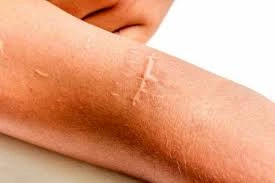
Scar Formation Following Skin Injury or Trauma
Whenever the skin experiences any form of injury or trauma, the body’s immune system initiates the healing and regeneration process. This natural process is often accompanied by scar formation. Suture scars are considered one of the most common complications following surgery and can result in an unpleasant and bothersome appearance on the skin.
In general, a scar is a type of replacement tissue that forms at the site of a skin injury or wound. Due to differences in structure and color compared to the surrounding skin, scar tissue may have an undesirable appearance. Suture scars are among the most common types of scars and can develop after various surgical procedures, including cosmetic surgeries, orthopedic operations, and cardiovascular surgeries.
Understanding the factors that contribute to suture scar formation and becoming familiar with appropriate prevention and treatment methods is highly important. In this article, we will discuss the causes of suture scars, the factors that influence their formation, as well as prevention and treatment options.
Factors Affecting Suture Scar Formation
Type and Location of Surgery: Deep or prolonged surgical procedures are more prone to scar formation. In addition, areas of the body subjected to significant tension, such as joints, are more likely to develop prominent scars.
Inflammatory Factors: Infection, burns, and inflammation at the wound site can lead to the formation of raised scars.
Ethnicity and Skin Color: Individuals with darker skin tones, particularly those of Asian, African, and Hispanic descent, are at a higher risk of scar formation. Compared to individuals with lighter skin tones, these groups are more prone to developing abnormal and excessive scars.
Age and Gender: Scars are more commonly observed in adolescents and young adults. Women are also generally more susceptible to scar formation than men.
Genetic Factors: Some individuals may be naturally predisposed to scar formation due to genetic and hereditary factors.
Underlying Medical Conditions: Conditions such as diabetes, acne, and psoriasis can increase the risk of scar development.
Postoperative Care: Failure to follow medical instructions during the recovery and wound-healing period can contribute to scar formation.
You may also read: (Wound Scars and Treatment Options)
Prevention of Suture Scars
Choosing Appropriate Surgical Techniques: Utilizing surgical methods that minimize tissue damage, along with finer sutures and less reactive suture materials, can help prevent scar formation.
Proper Wound Care During Healing: Maintaining wound hygiene, using appropriate dressings, applying moisturizing and skin-protective ointments, and preventing excessive tension on the wound or sutures can significantly reduce the likelihood of scar formation.
Preventive Treatments: The use of silicone dressings and corticosteroid injections at the time of suturing may help lower the risk of scar development.
Treatment of Suture Scars
1. Topical Treatments
Silicone Creams: These creams help reduce the appearance of scars and improve their flexibility.
Laser Therapy: Laser treatment can help reduce scar thickness and redness. Multiple treatment sessions are usually required.
Corticosteroid Injections: In cases where the scar is raised and painful, local corticosteroid injections can help reduce inflammation and soften the scar tissue.
Silicone Patches: These patches help maintain skin hydration and reduce the prominence of scars.
2. Surgical Treatments
Scar revision surgery, including the removal of part of the scar tissue and skin grafting, is among the surgical methods used to reduce or eliminate suture scars.
3. Supportive Treatments
The use of compression dressings, massage therapy, stretching exercises, and nutritional supplements such as Vitamin E may also contribute to improving the appearance of suture scars to some extent.
Conclusion
Suture scars are a common postoperative complication that can cause both cosmetic and functional concerns. Fortunately, a variety of treatment options are now available to reduce their appearance and improve overall skin aesthetics.
The most suitable treatment method depends on the characteristics of the scar—such as its size, elevation, color, and texture—as well as the individual needs of the patient. Surgical procedures, corticosteroid injections, laser therapy, and scar revision techniques are among the available treatment options, each with specific indications and benefits.
Before selecting any treatment approach, consultation with a dermatologist or plastic surgeon is essential to determine the most appropriate option based on the patient’s condition. With proper treatment selection and execution, significant improvement in the appearance and function of suture scars can be achieved.
In this article, we reviewed the causes of suture scar formation, the factors influencing their development, and the available prevention and treatment methods. Thank you for staying with us until the end of this article.