


In recent years, the use of non-invasive methods for skin rejuvenation and facelift has grown significantly. One of the most popular of these methods is hypnotherapy, which is known for its ability to tighten the skin and stimulate collagen production. In addition, fractional RF is also used as an effective technique for improving skin texture, reducing wrinkles and removing blemishes. Many people ask what the difference is between hypnotherapy and fractional RF, and which method is more suitable for facelift.
In this article, we will take a comprehensive and simple look at the features, benefits, uses, and differences of these two techniques so that you can make the best choice according to your skin’s needs.
What is hypnotherapy and how does it work?
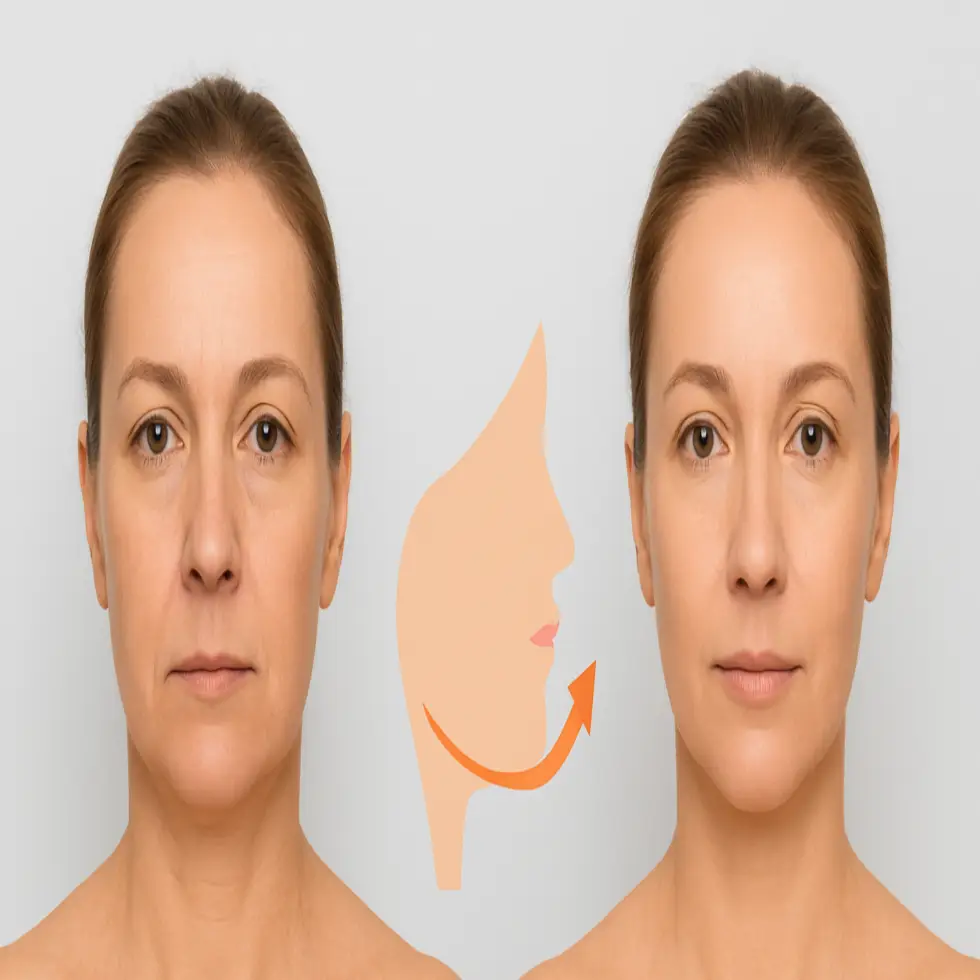
Hifu therapy is a non-surgical skin tightening and lifting procedure that uses focused ultrasound waves to penetrate the deeper layers of the skin. The focused energy of Hifu raises the temperature of the skin’s underlying layer and stimulates the production of new collagen. Collagen is the protein that keeps skin firm and youthful. As we age, collagen levels decrease and the skin becomes saggy. In these cases, Hifu therapy can reactivate collagen production without the need for surgery.
Unlike many rejuvenation procedures that target the surface of the skin, HIFU therapy penetrates the underlying layers, such as the SMAS, the same layer that surgeons work on in facelift surgery. Because of this, HIFU’s lifting effect is deeper and more lasting.
What is fractional RF and how does it work?
Fractional RF is an advanced technique based on radiofrequency waves. In this method, the device delivers RF energy to the middle and superficial layers of the skin with fine needles or special heads. This energy stimulates collagen production, repairs skin tissue, and increases its thickness and firmness.
Fractional RF is best suited for improving skin texture, removing acne scars, reducing open pores, and eliminating superficial lines. Unlike hypnotherapy, which aims for deep tightening, fractional RF focuses on superficial and intermediate skin irregularities.
The difference between hypnotherapy and fractional RF in the type of energy and depth of effect
The main difference between these two methods is the type of energy and the depth of their penetration.
In hypnotherapy , high-power, focused ultrasound energy reaches the deep layers of the skin. This feature allows the lifting and tightening effect to occur in greater depth.
In contrast, fractional RF works with radiofrequency waves and its penetration depth can be superficial or semi-deep, depending on the type of device and needles. However, it usually does not reach the depth that hypnotherapy penetrates.
In short, HIFU is more effective for lifting and tightening the skin, while fractional RF is better for skin rejuvenation and removing superficial damage.
To see the results of hypnotherapy in patients in pictures, we suggest you visit Dr. Reza Moeini’s Instagram page .
Differences between hypnotherapy and fractional RF in applications
Although both methods are used for the purpose of skin rejuvenation, the applications of hypnotherapy and fractional RF are completely different in terms of depth of effect, type of problems that can be treated, speed of recovery, and treatment goal. Understanding these differences helps individuals choose the best method according to their skin needs.
Hypnotherapy applications; deep effects with a focus on lifting and tightening the skin
Hypnotherapy is best suited for treating sagging and loose skin. It penetrates the SMAS layer, the layer targeted in skin lift surgery. For this reason, the effect of hypnotherapy is deeper and longer lasting.
The most important applications of hypnotherapy are:
Face and neck lift
The main goal of hypnotherapy is to create firmness in the deeper layers of the skin. This firmness causes sagging areas such as the cheeks, jawline, and neck to lift. Many people who do not want to undergo facelift surgery use HIFU as the best alternative.Reduction of sagging around the mouth, jaw, and chin:
Sagging around the mouth and sagging lower face are common problems that are significantly reduced with HIFU. The penetration of ultrasound waves causes tissue to contract and firm in these areas.Gentle jaw angulation and facial contouring
by HIFU therapy naturally makes the face shape more defined by tightening the deep layers. People with a slightly sagging jaw will find a more defined jawline after HIFU.Reduce double chin and improve sagging under the chin.
In many people, sagging in this area is caused by aging or weight loss. HIFU directly tightens the skin of the double chin and makes the chin look more shapely.Reduction of deep lines and wrinkles caused by sagging
Wrinkles that are caused by a decrease in the volume of deep tissues only respond appropriately with methods such as HIFU. In these cases, stimulating collagen production deep in the skin produces the best results.
In short, hypnotherapy is used for problems caused by sagging, sagging, and reduced skin firmness; problems that originate in the deeper layers.
Fractional RF applications: improving skin texture and surface problems by affecting the middle layers.
Fractional RF is best suited for treating superficial to mid-level skin problems. The main role of this method is to improve the quality, uniformity, and smoothness of the skin’s appearance. In this method, radiofrequency energy is delivered to the underlying tissue by fine needles, initiating the repair and regeneration process.
The main applications of fractional RF include the following:
Treatment of acne scars and sunken scars:
One of the most important and specialized applications of fractional RF is to fill in acne pits. The penetration of energy into the dermis layer stimulates the skin to produce new collagen and fill in scars.Shrinking large pores
RF reduces the appearance of large pores by thickening the middle layer and reducing surface oil. This method is one of the best treatments for people with oily skin and large pores.Removing superficial blemishes and darkening of the skin.
This method lightens blemishes caused by sunlight, acne scars, or hormonal changes by stimulating the skin to regenerate and increase cell turnover.Improvement of superficial wrinkles and fine lines
Fine lines around the eyes, mild laugh lines, and superficial skin wrinkles are well treated with fractional RF. This method is very suitable for people who have not yet experienced severe sagging.Smoothing uneven skin texture
If your skin has bumps, roughness, or uneven texture, RF can completely smooth and even out its appearance.Treatment of stretch marks:
In areas such as the abdomen and thighs where there are stretch marks, RF can reduce the visibility of stretch marks by stimulating collagen production.Overall skin brightening and clarification:
People with dull and tired skin usually experience brighter and healthier skin after a few RF sessions.
As a result, fractional RF is suitable for problems that originate in the surface or middle layer of the skin.
Summary of the differences in applications
To choose the appropriate method, it must first be determined in which layer the skin problem occurred:
If the problem is in the deeper layers (such as sagging, laxity, double chin, sagging cheeks, and lines caused by decreased firmness), hypnotherapy is the best choice.
If the problem is on the surface and in the middle layer (such as acne scars, open pores, superficial wrinkles, blemishes, unevenness, and darkening of the skin), fractional RF gives better results.
In many people, for complete rejuvenation, combining both methods with appropriate time intervals produces the best results.
Results and durability in hypnotherapy and fractional RF
Hypnotherapy:
The results of hypnotherapy are usually visible after 2 to 3 months, as the collagen production process takes time. The results last between 12 and 18 months, which may be more or less depending on age, skin type, and lifestyle.
Fractional RF:
Fractional RF results are usually seen faster, with skin looking smoother and brighter after 2 to 3 sessions. However, it is less long-lasting than HIFU and usually needs to be repeated every 6 months or years.
Therefore, if your goal is a long-term lift, hypnotherapy is a more suitable option.
Difference in number of treatment sessions
Hypnotherapy requires one main session.
In most cases, one hypnotherapy session is sufficient, and you may only need one booster session after a year.
Fractional RF requires multiple sessions.
To achieve the desired result, 3 to 5 fractional RF sessions are usually required, spaced one month apart.
This difference in the number of sessions is one of the reasons why many people choose hypnotherapy for skin lifting and tightening.
Differences in pain and recovery time
Pain and recovery are very important in choosing the right method.
Hifu therapy is performed without the need for anesthesia and with minimal pain.
After HIFU, a person can immediately return to their daily activities. There may be some redness or sensitivity, but it is very mild.
Fractional RF is more painful, especially when bipolar needles are used. Most centers use local anesthesia to make the patient more comfortable.
After treatment, redness, swelling, and slight peeling are normal and usually resolve within a few days.
If you are looking for a completely no-recovery method, hypnotherapy is a better option.
Differences between hypnotherapy and fractional RF in their effects on skin types
Hypnotherapy is suitable for all skin types and does not have many restrictions. People with dark skin can also use it without worrying about discoloration.
Fractional RF is also suitable for most skin types, but may cause more discomfort and irritation for very sensitive skin or people with skin inflammation.
Is it possible to combine hypnotherapy and fractional RF?
Yes, many experts recommend using these two methods together for complete rejuvenation.
Hypnotherapy is effective for lifting and tightening the deeper layers of the skin, while fractional RF can address superficial imperfections such as acne scars and fine lines.
Combining these two methods produces more comprehensive results, but usually a suitable interval (at least 4 weeks) must be observed between their sessions.
Who are the best candidates for hypnotherapy?
People with the following problems can benefit most from hypnotherapy:
Mild to moderate skin sagging
Loose skin on the jaw and neck
Creating deep lines
Decreased skin firmness due to aging
People who do not want to have facelift surgery
These people usually get the best results from HIFU, as the procedure directly affects the deeper layers of the skin and SMAS.
Who are the best candidates for fractional RF?
Fractional RF is more suitable for people with superficial skin problems, including:
Acne or scar
Open pores
Surface darkening and stains
Uneven skin texture
Fine lines around the eyes and lips
People who want to have a skin repair procedure
If the goal is less lifting and more improvement in the appearance of the skin, fractional RF can provide better results.
Difference in cost between hypnotherapy and fractional RF
The cost of hypnotherapy is usually higher because it is done in just one session and the devices are more advanced in technology. However, because of its long-lasting effects, many people consider it a worthwhile investment.
Fractional RF costs less, but because it requires multiple sessions, its final cost may be close to HIFU in some cases.
Which method is best for a facelift?
If your main goal is to lift, tighten the skin, and improve sagging, hypnotherapy is the best choice.
However, if your priority is to improve skin texture, remove acne scars, and reduce pores, fractional RF will be more suitable.
In many cases, the specialist suggests using both methods during a course to rejuvenate both the deep layers and the surface of the skin.
Conclusion
In general, the difference between HF and fractional RF is related to the depth of effect, type of energy, applications and results.
HF is an effective method for lifting and tightening the skin that is done in one session without recovery and has a long duration.
Fractional RF is more suitable for correcting superficial skin problems, removing acne scars and shrinking pores, and its results are usually seen faster, but it requires several sessions.
The choice between these two methods depends on your skin’s needs. If your goal is to lift and deeply rejuvenate, hypnotherapy is the better option. If the goal is to improve the texture and quality of the skin’s surface, fractional RF will have a more favorable result. Also, a combination of these two methods can create the best result for complete facial rejuvenation.
If you are interested in scientific and practical content in the fields of beauty, rejuvenation, and skin health, we suggest you visit Azargah magazine and benefit from its collection of specialized articles.