



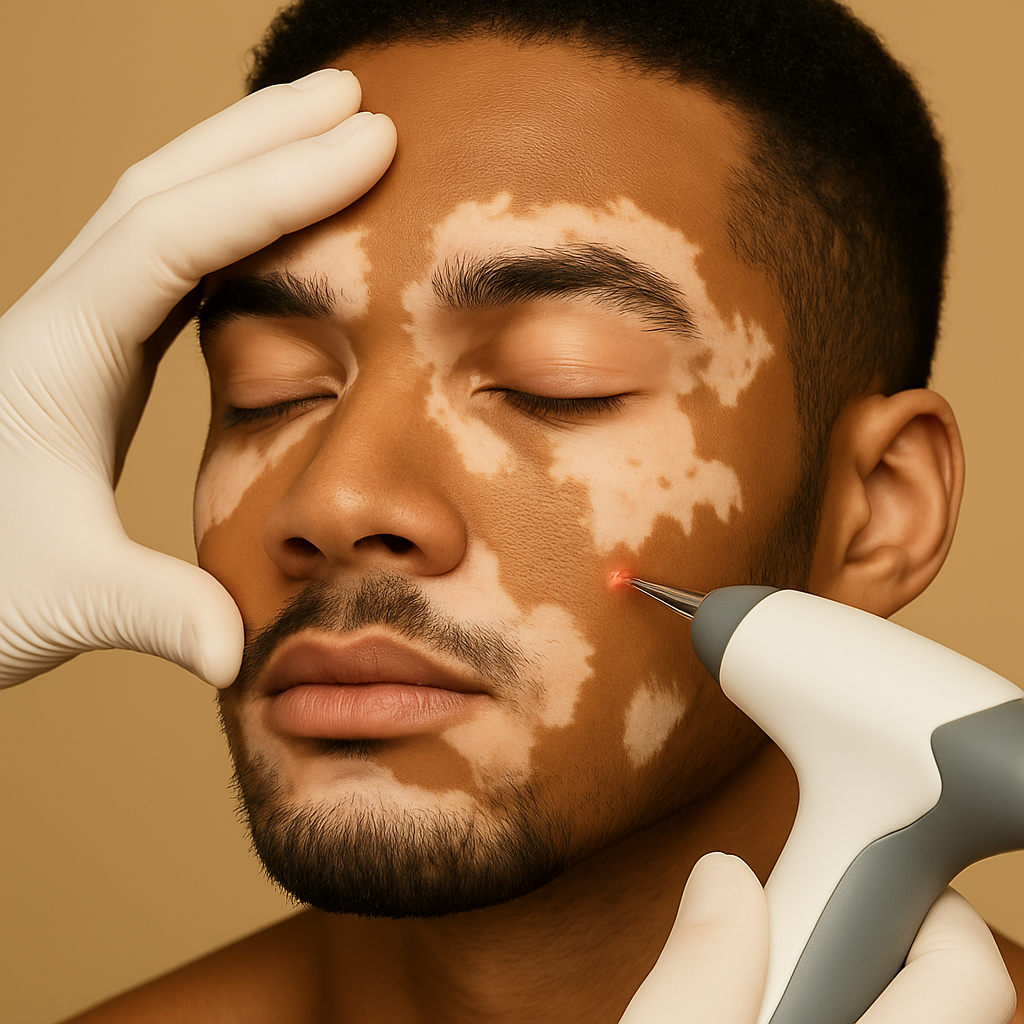
Treatment of vitiligo and skin pigmentation disorders
Vitiligo is one of the most common skin pigmentation disorders that can have a significant impact on self-esteem and quality of life. It is caused by the destruction of skin pigment-producing cells (melanocytes) and causes white patches with clear borders on the skin. In addition to vitiligo, other disorders such as melasma (pregnancy spots), freckles, sun or age spots, and post-inflammatory hyperpigmentation are also included in the group of pigmentary abnormalities that require investigation and treatment.
Causes and factors of vitiligo and other pigment disorders
Genetic causes: In some cases, freckles or melasma run in the family.
Autoimmune disorders: The body’s immune system mistakenly attacks and destroys melanocyte cells.
Sunlight: Ultraviolet rays can aggravate skin discoloration, especially melasma and freckles.
Hormones: Especially during pregnancy or taking birth control pills.
Stress and psychological factors: In some people with vitiligo, the onset or spread of the disease is related to psychological factors.
Skin damage: Such as burns, cuts, or inflammation, which can lead to or worsen pigment disorders.
Symptoms and types of pigmented skin spots
Vitiligo: Milky white patches that usually appear on the hands, face, around the eyes and mouth, elbows, knees, and genitals.
Melasma: Dark brown spots with a symmetrical pattern, mostly on the cheeks, forehead, and upper lip.
Freckles: Small brown or red spots, more common in people with fair skin, especially those exposed to the sun.
Post-inflammatory hypopigmentation (PIH): Lighter or darker areas after skin injury or disease.
Age spots (sun spots): Brown or gray spots caused by aging and repeated sun exposure.
New methods of treating vitiligo and pigment disorders
1. Drug and topical treatment
Topical corticosteroids: To reduce inflammation and stop the progression of vitiligo.
Calcineurin inhibitors (such as tacrolimus): safer medications for sensitive areas of the face and neck.
Hydroquinone and lightening compounds: To treat melasma and dark spots.
Retinoids: Help renew skin cells and improve skin tone.
2. Phototherapy (light therapy)
NB-UVB (Narrow Band UVB): One of the most effective methods of controlling freckles, which stimulates melanocytes to restore natural color to the skin.
Excimer Laser: For limited areas, highly targeted and with fewer complications.
3. Micropigmentation or tattoo therapy
In cases where the response to treatment is poor, techniques similar to permanent makeup are used to even out skin tone, especially on the face or lips.
4. Melanocyte transplantation or skin grafting
In severe and persistent cases of vitiligo, surgical techniques such as:
Thin skin graft
Melanocyte cell transplantation
is used to restore natural skin color.
5. Complementary therapies and psychological support
Treatment of pigmentary disorders is not limited to physical therapy. Many patients suffer from anxiety, depression, or low self-esteem and require psychological counseling.
Lifestyle and daily care
Use a strong sunscreen (SPF 50+): to protect the skin from worsening pigmentation or the formation of new spots.
Avoid harsh or skin-irritating exfoliants.
A diet rich in antioxidants: such as vitamins C, E, and beta-carotene.
Stress management and adequate sleep
Avoid using substandard cosmetic products.
Conclusion
Treating vitiligo and other pigmentary disorders requires a comprehensive, patient, and personalized approach. With the advancement of medical science and modern devices, many of these problems can be controlled or cured. Dr. Reza Moeini Clinic , with its specialized team, up-to-date equipment, and individualized counseling, is ready to accompany patients on the path to treatment and a return to beauty and self-confidence.